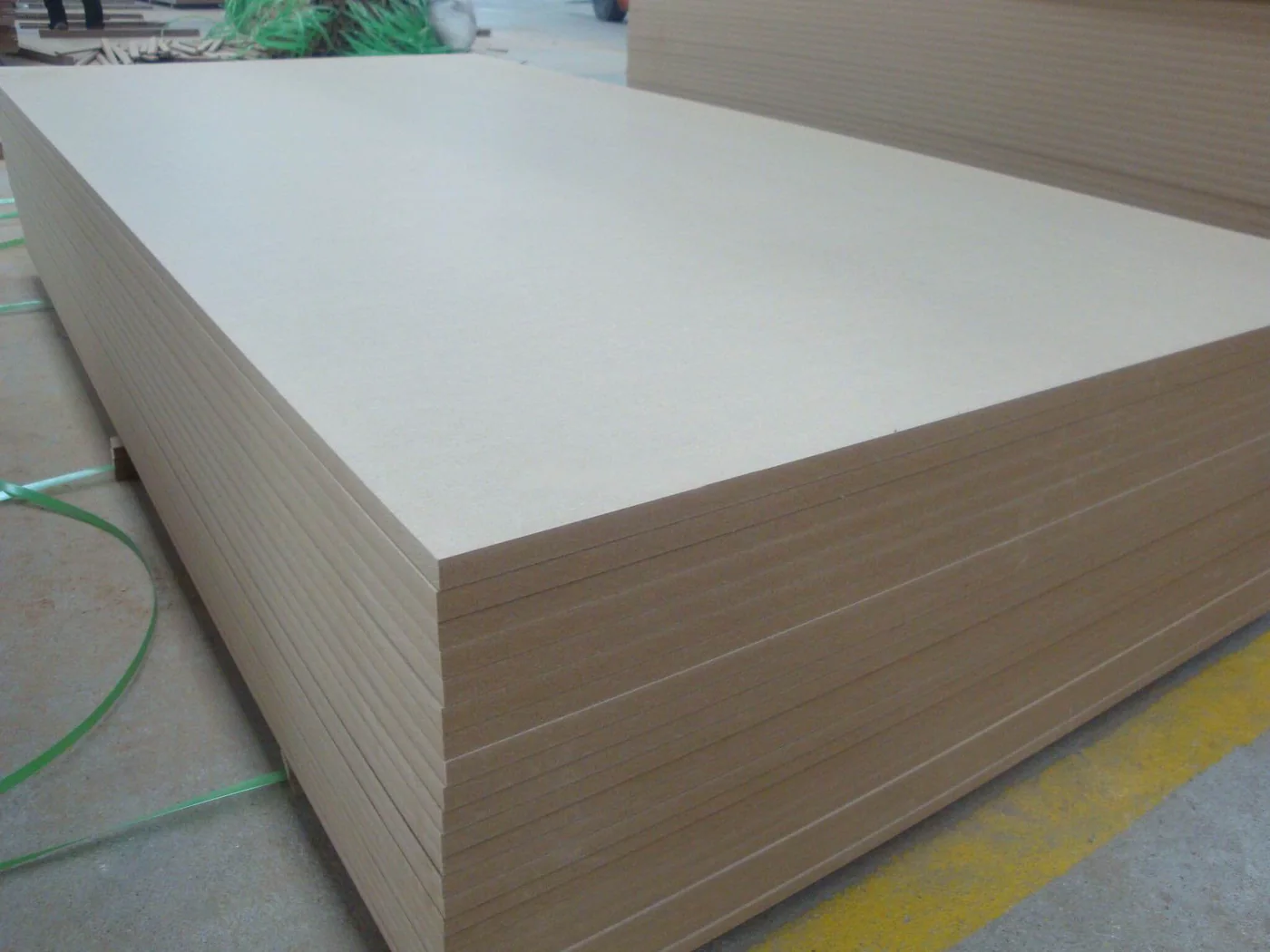
Choose the raw MDF behind your finished part. We manufacture unfaced MDF for routing, painting, veneering and laminating, then work with your team on the grade, sheet format and supplied condition your production process needs.
A painted door, a drilled cabinet part and a veneered panel ask different things of an MDF substrate. Show us the operation, profile and finished component you have in mind. We manufacture MDF substrates in our own factory and discuss the board grade, surface condition and thickness around that next step.
For painted fronts, include the routed face, exposed edge and actual hardware detail in your trial. For veneering or laminating, bring the face, reverse and bonding process into the board brief. We can help choose a representative sample and the supplied stage your workshop needs.
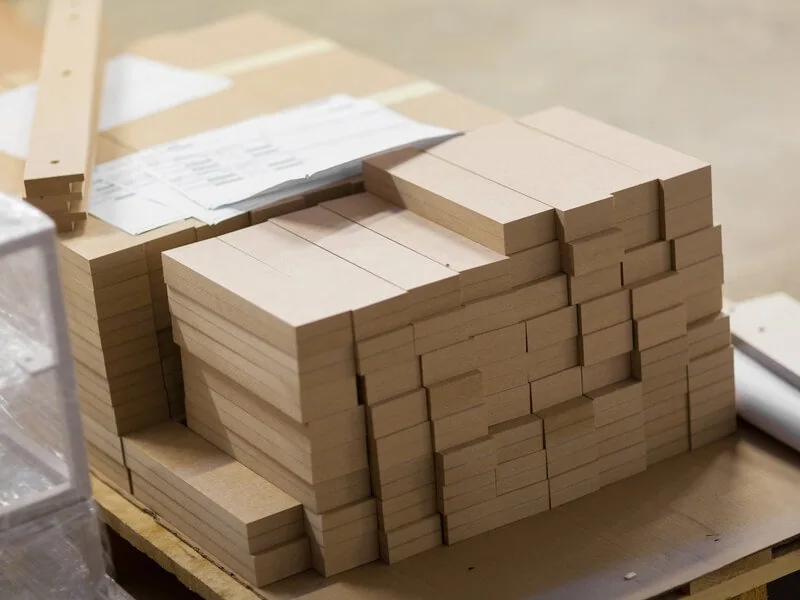
Choose full sheets for your own cutting plan, or use the custom-blank route when sized parts suit production. For kitchen, bathroom or humid-interior work, compare the unfaced moisture-resistant option and plan the finish and protected edges around the completed component.
Scroll sideways to compare all columns.
Raw MDF Sheets selection routes
Selection route
What to decide
Explore
Plain board for your process
Choose an unfaced board for painting, routing, veneering or laminating. The 1220 × 2440mm format has a listed 2.5–30mm range; other formats have their own thickness combinations.
Carry the selected MDF grade into a part schedule. Define oversize blanks, machined substrates or finished parts, with allowances, quantities, drawing revisions and pack groups.
Choose the actual MDF with the deepest profile, narrow edges and reverse machining. Trial preparation, primer and finish on that construction, then check the completed door and hardware.
Define oversize blanks, cut parts or agreed profiles and holes. Keep the supplied dimensions, finish allowance, reference face, handedness and work remaining with each door code.
Listed thickness range: 2.5–30mm. Select the required gauge, board grade and actual dimensional limits.
Compare thickness and format together; a range does not establish every grade or current stock combination.
1830 × 2440mm format
Listed thickness range: 2.5–25mm. Identify the grade and downstream process with the selected thickness.
Do not extend the smaller-format 30mm limit to this format.
1830 × 3660mm format
Listed at 16mm. Discuss other thicknesses as separate order configurations.
Keep the large-format construction and handling requirements explicit.
2440 × 3660mm format
Large format listed; thickness and order availability are agreed for the proposed supply.
Confirm the usable format, board grade and processing scope before planning the parts.
Substrate requirement
MDF grade and named requirements for the intended service conditions.
Do not infer the grade from colour or appearance.
Thickness
Required value, tolerance and sheet format.
Keep finished geometry tied to the actual supplied board.
Machining
Profile depth, edge shape, holes and feature location.
A representative cut shows more than an untouched face.
Surface condition
Preparation needed for paint, veneer or another facing.
Connect the supplied sheet with its next process.
Evidence
Emission or other named product requirement.
Specify it independently from moisture or machining behaviour.
Supplied and completed dimensions
Full sheet, oversize blank or machined substrate; identify included operations, datum, drawing revision and bare or completed measuring stage.
Keep sheet thickness separate from coating, veneer, adhesive or edge buildup. A 1 inch dimension is 25.4mm, not 25mm.
Quotation and pack basis
Sheet/part quantities or volume by grade, thickness and format, with sample work, processing, packing, destination and delivery responsibilities.
Compare equivalent delivered supply; reconcile part codes, pack counts and complete sets where applicable.
Use the machining and finishing trial to choose the board
Include the deepest relevant profile, narrow edge or recess in a representative part, then apply the intended coating process. Review the broad face and machined areas separately. A flat-face colour sample gives less information than the routed and finished detail your customer will see.
Specify each requirement the component needs
Record the substrate grade, emission evidence and machining or moisture requirements separately. An emission class does not identify a glue name, a moisture-resistant grade or routing quality. Describe humidity, splashes and protection of cut edges and holes when relevant; raw MDF is an unfaced supply condition, not a general waterproof specification.
Compare the delivered supply on the same basis
Keep the board grade, actual thickness and format, quantity, supplied surface and included operations the same when comparing quotations. Identify samples, machining, packing and delivery costs or exclusions separately. A price per sheet, per cubic metre and per delivered part describe different quantities; reconcile those bases before comparing them.
Keep the material result separate from the finished-part result
A board specification, a coating trial and an assembly check answer different questions. Retain report identity, applicable product/grade and thickness coverage, method and results for material requirements. Keep the selected drawing, process and acceptance conditions with the sample that demonstrates the finished face, edge or fit.
Approve the cabinet door beyond a flat paint swatch
Use the selected MDF and actual door section for the trial. Include the deepest face profile, any overlapping hinge or reverse cut, exposed edges and the intended preparation, primer and finish. Agree the coating process with its supplier. After the specified completion and cure, assess appearance, finished geometry, hardware movement and the relevant full-size flatness or assembly requirement. A routed finish sample and a material report remain different approvals.
Record the board grade, offered sheet format and finished part dimensions separately. Use the panel schedule to include machining allowance, the next finish and the sample checks that matter. Use the panel schedule worksheet.
OUR PRODUCT RANGE
Raw MDF Sheets products
Compare 3 configurations from our range. Open a product to compare its specifications and photographs.
Unfaced MDF for painting, routing, veneering or laminating. Compare 1220 × 2440mm at 2.5–30mm and 1830 × 2440mm at 2.5–25mm, with a board grade and machining sample suited to your process.
Custom raw MDF blanks or components planned from your cutting list. Define the delivered stage, allowances, holes or profiles, then agree quantities and identification by part.
Unfaced moisture-resistant MDF for kitchen, bathroom and humid-interior furniture. Choose sheets or cut parts, then plan routing, paint or facing and protection of exposed edges.
Provide the profile drawing and intended coating process. Use a representative routed sample to review preparation, surface appearance and critical finished dimensions.
Veneer or laminate substrates
Identify the facing and bonding process. Agree the sheet surface and thickness required before pressing or applying the next material.
Drilled and fitted parts
Give feature locations and the connector or fitting requirement. Keep critical tolerances tied to the supplied and finished condition, with a trial part where necessary.
SAMPLE THE PROPOSED PANEL
Trial the raw board through the process you will use.
Choose a material reference, a critical machined and painted detail, or a complete faced/assembly trial around the decision your team must make. Use the selected MDF grade and thickness, then retain the sample identity and supplied-board condition with the actual process.
Agree sample dimensions, quantity and the acceptance stage. A small swatch can help assess a supplied face or edge; full-size geometry, flatness and mating relationships need the appropriate sheet or component. Carry the accepted sample and drawing revision into the order line, production lot and pack reference.
For cabinet fronts, include the profile and actual hinge or connector detail in the same drawing revision. Mark material retained between face and reverse operations, the coating on every required surface, and the completed dimensions and gaps. Use an appropriate-size finished door or assembly when fit, movement or flatness controls the decision; keep those checks separate from the selected raw board and its material evidence.
Scroll sideways to compare all columns.
Choose the assessment your team needs
Assessment
Sample or trial scope
Record to retain
Material and face/edge reference
Selected grade and thickness, supplied broad face, full-thickness edge and representative surface condition.
Board identity, sample reference/date, dimensions and measuring condition; required material or emission evidence remains separately identified.
Routed and painted detail
Deepest relevant profile, narrow land, straight edge and overlapping reverse machining, followed by the intended preparation and coating.
Drawing/tool-path revision, remaining material, machining and coating process, appearance and completed dimensions, with agreed acceptance limits.
Faced panel or assembly trial
Complete veneer/laminate face-and-back construction, or the actual fitting and mating detail where assembly controls the decision.
Facing/adhesive or hardware identity, conditioning and measurement stage, flatness/fit and acceptance limits; use full-size material where the decision requires it.
PanelSource MDF production, selected board grade, thickness and intended service conditions. Keep emission, moisture, fire or structural requirements separate from the unfaced supply condition.
Format and supplied stage
Actual sheet format or component drawing/revision, blank allowances, grade/thickness combination, surface condition and included operations. Record bare, machined or completed dimensional limits at the agreed measuring stage.
Representative process approval
Sample reference/date, routed profile and reverse features, preparation/coating or face-and-back bonding process, mating details and acceptance conditions. Identify which decision the sample demonstrates.
Evidence and order traceability
Applicable report or certification identity, issuer/date and scope for the selected producer, product/grade and thickness range, with method, conditions, results and limits. Connect the approved specification and sample to the order line, production lot, pack, inspection, dispatch and receiving records.
Product reports
Take the published report for your chosen panel into the document review, together with your required standard and order specification.
We can plan production and inspection around your panel specification, with dimensional checks, recorded readings and packing photographs for your order.
We prepare packing details, pack quantities and dispatch documents for your order. Share the destination and receiving requirements so our team can help plan delivery.
For your supplier approval, send the configuration and document list for your order. Our team will connect the relevant reports, inspection and packing records.
Is raw MDF ready for any paint system without preparation?
Tell us the paint system and finish you want to achieve. We’ll plan the supplied surface and a representative face, edge and routed-detail sample through the coating supplier’s preparation, primer and finish process.
Which raw MDF should we use for kitchen or bathroom cabinetry?
Choose the unfaced moisture-resistant route and describe the humidity, splashes and cleaning around the part. We’ll help select the board and discuss the paint, veneer or laminate process, with cut edges, holes and joints protected in the completed furniture. Use the exterior route when the component is intended for outdoor exposure.
Which sheet formats can I specify for plain MDF?
Our product information lists 1220 × 2440 and 1830 × 2440 mm, with other larger formats by enquiry. We confirm the thickness and format combination with the quantity and processing needs.
Does raw MDF identify one board grade or emission class?
No. Raw or plain describes an unfaced board. We’ll help select the MDF grade for the component and its service conditions, then connect the required emission or other material documents with that choice.
Can I specify 3mm, 6mm, 9mm, 12mm, 15mm, 18mm, 25mm or 30mm raw MDF?
These thicknesses sit within the listed 2.5–30mm range for 1220 × 2440mm sheets. The 1830 × 2440mm range stops at 25mm; 1830 × 3660mm is listed at 16mm, and 2440 × 3660mm needs an agreed thickness. Confirm the selected grade, actual limits and quantity with that format rather than carrying one range across every board.
What does a raw MDF sheet quotation include?
We define the selected board, format, thickness, quantity and delivered stage, then identify any sample work, cutting, machining, inspection, packing and delivery responsibilities. Compare the same sheet, volume or accepted-part basis and show additional costs or exclusions separately. Ask for the same price basis when comparing suppliers.
Can one routing or finish sample approve every raw MDF order?
Approve the sample for the board and part you plan to order. Keep the grade, thickness, profile, reverse machining and finish with its drawing revision; review a changed detail when those choices change. For a door or fitted component, include the size needed to check flatness and fit.
Which MDF should I choose for routed and painted cabinet doors?
Start with the door size, intended use, profile and hardware drawing. We’ll help choose the MDF grade and thickness, then trial the broad face, edges, deepest profile and reverse features through your planned preparation, primer and finish. Use a completed door or assembly when finished fit, movement or flatness controls the choice.
Is MDF for a routed cabinet door the same as an MDF door skin?
A routed cabinet front is specified around its board construction, profile, finish and actual hardware. A door skin is a facing component for a defined door assembly, with its own frame, core, bond and trim requirements. They are different component routes. Send the section and drawing so the quotation follows the part you are building and identifies the supplied and remaining operations.
Start with the component, the operation your workshop will perform and the quantity. We’ll help define the board grade, thickness/format combination and supplied surface, then plan the trial and quote the supply scope your production needs.
MDF grade and required evidence
Routing, drilling or facing process
Thickness, sheet format and surface condition
Trial-part requirements, quantity and destination
Supplied and completed measuring stages, drawing revision and sample acceptance
Packing/part groups, quantity basis and required document coverage
Have a component drawing, cutting schedule, finish reference or sample photographs? Email them to sales@plywoodsupplier.cn. Add your company name and project reference so we can connect the files with your enquiry.
Available to order. Production takes 7–10 days, with dates agreed in your order confirmation. We arrange container shipping; freight and delivery terms follow the order. Our 180-day warranty covers after-sales support, with returns or replacements and related freight agreed for the order and issue.
CONTINUE YOUR PANEL SELECTION
Raw MDF selection
Compare our panels
Browse the material range and compare the configurations for your order.
Optional Google Analytics and Ads cookies measure visits and enquiries. Reject keeps these cookies off; basic cookieless measurement continues. Enquiry details are never sent to Google. Privacy details.