
Formply means plywood intended for concrete forming; laminated plywood needs its facing or layered construction named; formwork is the mould and assembly that forms the concrete. Knowing which part you need makes the purchase straightforward. PanelSource manufactures plywood and MDF sheets and components, helping turn an order name, drawing or reference panel into a clear factory quotation.
Start with a photo of the board or the part it will make. We help identify the concrete-contact, painted or decorative surface, then choose the core and supplied processing around that use.
Follow the product route behind the name
| Your requirement | Where to start | What to choose together |
|---|---|---|
| Formply or shuttering plywood for concrete | Film faced shuttering plywood | Start with the concrete-contact surface, veneer construction and form location. |
| An 18mm forming panel on a drawing | 18mm concrete shuttering plywood | Match the actual working face, thickness and component details to the drawing. |
| A paintable overlaid plywood face | One-sided MDO plywood | Identify paint-grade or forming use and specify the reverse as well as the front. |
Separate the material, the facing and the assembly
One drawing can contain three different levels of information: the sheet material, the surface touching the concrete and the assembly holding everything in position. A quotation for sheets does not automatically include frames, ties, beams, props, connections, lifting arrangements or the formwork design.
Specify where the panel belongs. It might be a structural sheathing component fixed to supports, a replaceable facing within a proprietary frame, or a liner backed by another material. The same external dimensions do not make those components equivalent.
| Term in a request | What it may describe | Clarification to add |
|---|---|---|
| Formply or shuttering plywood | Plywood intended for concrete-forming use | Applicable grade, surface, dimensions and design information |
| Film faced plywood | A veneer panel with an overlay | Core, overlay system, bond and intended application |
| Laminated plywood | Plywood with a decorative facing or another bonded construction | Identify the substrate, facing and each added bond line |
| Three-ply formwork sheet | A specific layered timber forming product | Layer construction and product data, not just the layer count |
| Formwork set | A complete or partial assembly | List every supplied component and the design responsibility |
Name the facing in a laminated plywood order
In a furniture enquiry, laminated plywood may mean a plywood substrate bonded to a decorative laminate. In a concrete enquiry, the same wording may be used loosely for film faced plywood. It can also refer to layers bonded together to create a thicker or shaped component.
Write the materials in sequence, for example: decorative laminate, adhesive, plywood substrate and reverse treatment. For a forming panel, name the concrete-contact overlay, veneer construction and reverse face. This exposes differences that a single word hides.
Choose a furniture-facing system for its decorative and contact requirements, and a forming surface for fresh concrete, release-agent compatibility and the required cast finish. Naming that use on the order directs the sample and product choice to the right task.
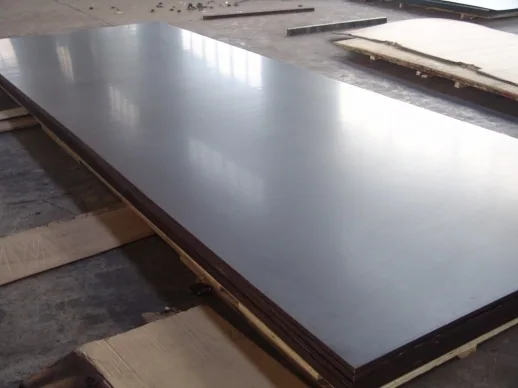
Choose the forming face as well as the panel
The choice should follow the concrete specification, the panel properties and the intended use. Conversely, the presence of a decorative film does not establish structural capacity. Surface appearance and design performance need separate entries in the order.
Distinguish thin veneer plywood from three-layer formwork sheets
Three layers do not define one thickness or one product. Thin veneer plywood and a three-layer solid-timber formwork sheet can both have three layers while differing substantially in construction, dimensions and use.
Ask for a section description and technical data rather than trying to resolve this ambiguity through a translated product name. The layer materials, orientation and thicknesses matter more than whether a supplier informally says “three-ply board.”
Keep formwork facing and falsework responsibilities clear
Formwork contains and shapes concrete; falsework generally provides temporary support for the work above. Project terminology can vary, so identify the actual components on the drawing. HSE includes both formwork and falsework within temporary works, which require the same care in design and construction as other engineered work.
Our plywood quotation identifies the panel construction and the processing supplied by the factory. The project team coordinates those sheets or parts with the complete form system, including tie arrangement, supports, foundations and connections. A clear drawing reference links the plywood order to its intended position.
Compare other facing materials at the same level
Steel, aluminium, plastic, timber and bamboo-based materials may appear in a formwork discussion. Some names describe frames, some describe faces and some describe complete systems. Comparing a loose plywood sheet price with a complete reusable framed unit price obscures what is included.
Make a component schedule before comparing alternatives. Record whether each option includes facing, frame, support accessories, fabrication, repair and the means of handling it. Then compare the intended concrete result and the planned project sequence.
Compare the options against the project geometry, repetition, handling arrangements and available maintenance. These conditions explain where a given face or system offers value, whether its material is plywood, bamboo, steel or another specified construction.
Check a substitution beyond thickness and colour
Suppose a drawing identifies an 18 mm forming panel and an offer proposes an 18 mm decorative laminated board. The matching thickness does not resolve the substrate, bond, concrete-contact surface, mechanical properties or connection requirements. Request those details before deciding whether the offer addresses the drawing at all.
Even two film faced plywood offers may have different cores, working faces or documented properties. Use our formwork plywood specification guide to develop the panel line, then have the responsible designer assess any substitution affecting the system.
Turn your reference into a clear plywood order
Start with the order wording, photograph or drawing you already have. Tell us whether you need full sheets, cut components or replacement facings. We help develop the core, surface, dimensions and processing, then add the relevant performance requirements, quantity and destination to the quotation.
We can then quote the plywood construction and factory processing you need. Browse our forming panel range and send the component details; we help carry the selected face, reverse and edge treatment into a clear order line.
Formply and laminated plywood buying questions
Does laminated plywood always mean film faced plywood?
The phrase may describe a decorative laminate, a forming overlay or another bonded construction. Identify the layers and the intended use. A photo and application description help us find the correct product route.
Does a formply quotation include the complete formwork?
A plywood quotation identifies the supplied sheets or components and processing. The project’s formwork package identifies its frames, supports, connections and other work. Keeping the two scopes clear makes prices easier to compare.
How can I order without knowing the exact panel name?
Send a reference photo, sample or drawing and tell us what the part does. We help identify the face and core, then develop the sizes, sample and factory supply with you.