PLYWOOD & MDF · CHINA

MELAMINE PLYWOOD · FROM OUR OWN FACTORY

Melamine Plywood

Bring a coordinated finish to your cabinets and fitted interiors. We manufacture melamine-faced plywood in our own factory, pairing your white, black or woodgrain decor with the plywood construction, reverse and edge detail your workshop needs.

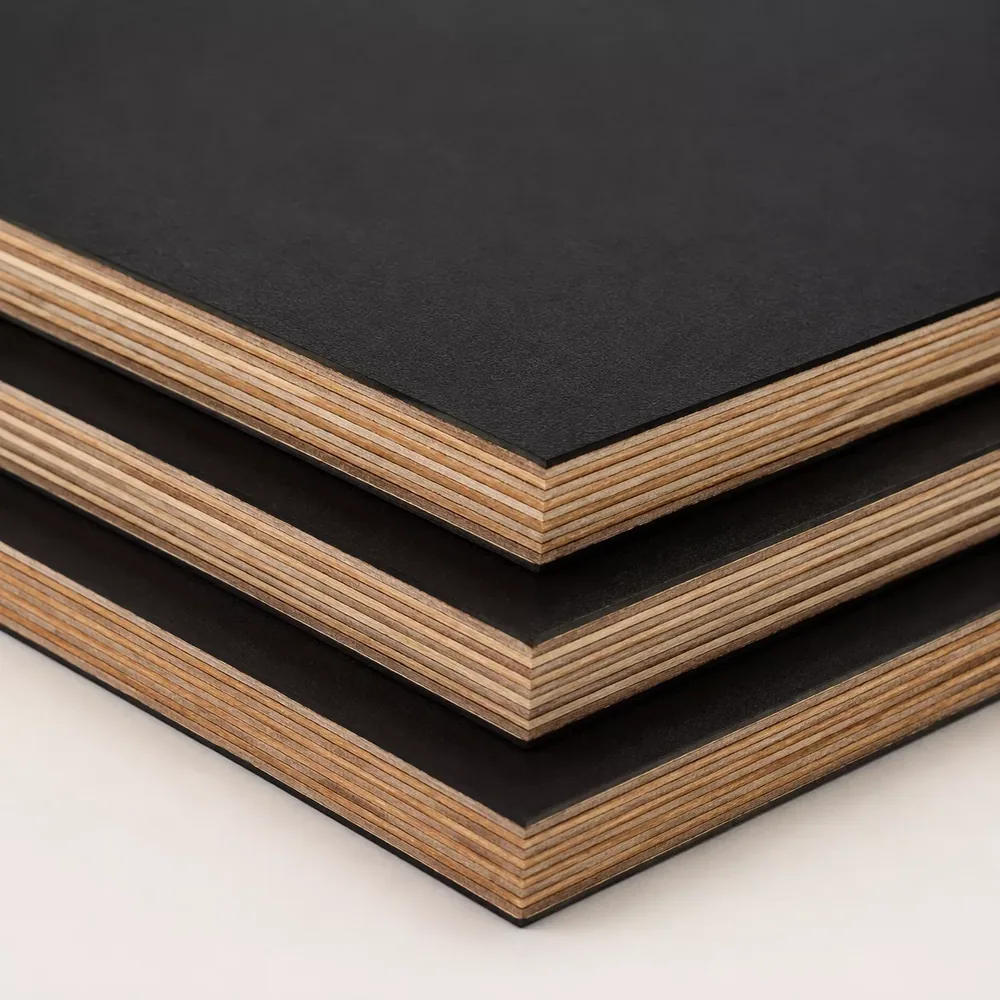
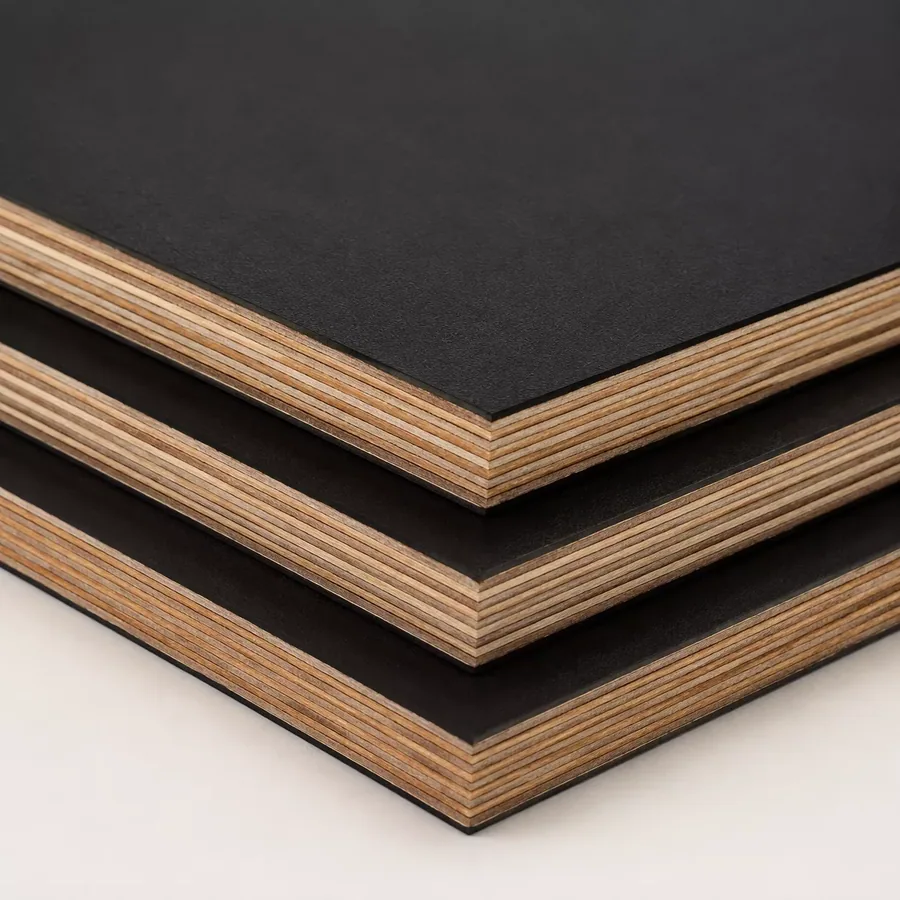
Black Melamine Plywood from our melamine plywood range
Black Melamine Plywood · View this product

START WITH YOUR REQUIREMENT

A coordinated finish. A clear plywood specification.

Choose the finish or detail you want to approve

Start with the furniture you are making and the surfaces people will see: a clean white interior, a contrasting black feature or a woodgrain furniture front. Choose the decor and texture, then decide whether one or both sides need a decorative finish.

Show us a colour reference, sketch or cutting list. A sample of the selected plywood construction with its intended edge finish helps you assess the complete detail. For paired fronts or open shelving, review adjacent faces, grain direction and the finished corner together.

Scroll sideways to compare all columns.

Melamine Plywood selection routes
Selection routeWhat to decideExplore
White facesCreate light cabinet interiors or white furniture faces. Compare the white tone, texture and finished edge with your reference.White melamine plywood
Black facesBuild contrast into shelves, cabinets and displays. Compare sheen, texture and how the black face meets its band or exposed plywood edge.Black melamine plywood
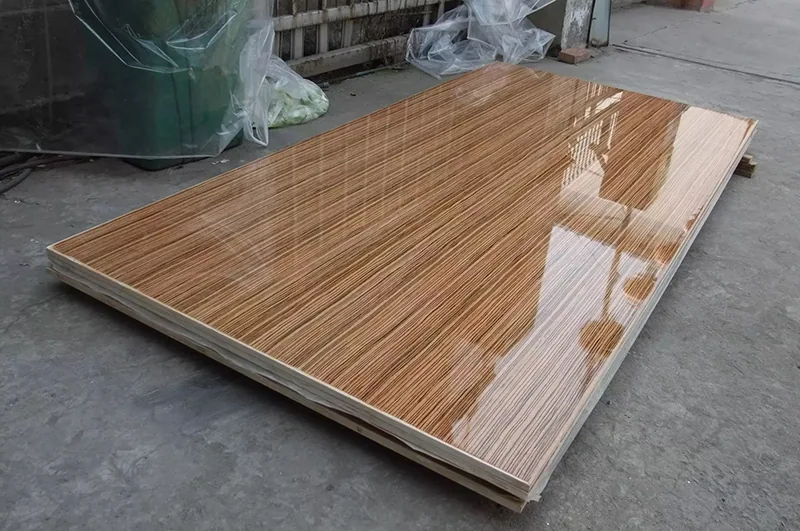
Woodgrain facesBring printed woodgrain into furniture fronts and fitted interiors. Plan grain direction and the relationship between adjoining parts.Woodgrain melamine plywood
Two visible sidesPlan shelves, dividers or open furniture that will be seen from both sides. Specify each face and the edge that joins them.Double-sided panels
Waterproof furniture panelsChoose plywood for kitchen, bathroom or other moisture-related furniture. Tell us about splashes and cleaning so the core, bond and edge protection suit the job.Waterproof melamine panels
Complete faced-sheet specificationBuild the panel specification around your selected decor, plywood core and reverse. Compare sheet sizes, thicknesses and the supply stage you need.Melamine-coated sheet details
Matching component groupsPlan doors, sides, dividers and shelves as the groups your customer will see together. Identify the decor, orientation, reverse and edge finish with each part; retain the approved physical reference for the order and later additions.Plan custom component sizes

DEFINE THE ORDER

What to specify for melamine plywood

Scroll sideways to compare all columns.

Melamine Plywood order specification
RequirementDetails to agreeWhy it matters
Plywood constructionCore species, layup, bond and face preparation.Identify the board beneath the decor.
Decor and textureCode or sample, gloss and surface texture.A photograph alone cannot establish the final match.
Face and reverseDecorative or specified balancing reverse.Keep both sides in the order description.
Finished sizeThickness after facing, usable dimensions and tolerances.Match furniture fittings and component machining.
EdgesBand material, colour, thickness and edges to cover.Agree dimensions before or after edging.
Complete faced-sheet rangeThe Melamine Faced Plywood product lists 2–30mm and 1220 × 2440, 1250 × 2500 and 1500 × 3000mm, with poplar, hardwood, birch or eucalyptus core options.Select the exact thickness, format, layup and face/reverse on that route; these references are not common defaults for all six products.
Black melamine plywoodRegular thicknesses: 9, 12, 15, 16, 18 and 25mm; the product technical table also includes 5 and 21mm. Regular sheets: 1220 × 2440 and 1250 × 2500mm. Extended sheets: 1220 × 2745 and 1220 × 3050mm.Choose the thickness, core and finish together for your sheet format, then include the completed thickness and finished-edge detail in the order.
White, woodgrain and double-sided plywoodThese product technical tables list 5, 9, 12, 15, 16, 18, 21 and 25mm, with 1220 × 2440, 1220 × 2745 and 1220 × 3050mm sheet formats.Open the chosen product for its construction and tolerances. Carry the decor, face A/B and grain direction into your component schedule; select the format for that configuration.
Two-sided identity and layoutLabel face A, face B and a fixed top edge. Identify each decor, grain or texture direction, visible zone and acceptance reference. Record the decor direction and any required plywood panel direction separately.Carry face identity through cutting, through-holes and packing; specify both sides rather than treating the reverse as the same finish automatically.
Component dimensions and processingCurrent drawing, part/handed IDs, reference face and finished-edge datums, net band build, cutting/routing/drilling and supplied stage.Measure the faced board and cut or edged component at the agreed stages; include both-face breakout and treatment of exposed core in the sample.
Requirements and complete quantitiesCore/bond and any named surface, emission, marine, fire or structural requirement identified separately. Quantities by configuration, part, matching group and complete set.Match the applicable evidence and approved revisions with order lines and pack labels; keep reserves, included processing and delivery scope visible in the quotation.

From selected decor to a finished part

The face, core and edge finish work together in the finished cabinet. Mark exposed edges, holes and grooves on your drawing, with hardware positions and dimensions after edging. We can review the required supply stage, from full sheets to cut blanks or component machining, and set out the agreed scope in your quotation.

Keep the finish references together

For cabinet sets or neighbouring panels, retain an identified decor and texture reference, the grain direction and a sample of the finished edge. If you are extending an earlier order, share its reference and physical sample so the new combination can be assessed alongside it. Record the accepted finish set and part groups with the order.

Compare the plywood and finished supply scope together

Compare quotations for the same core construction, decorative faces and supplied stage: whole sheets, cut blanks or processed components. Include the edge finish, approved sample, drawing revision, inspection, surface protection and packing. Keep matching groups and complete component quantities visible so a lower sheet price is assessed against the actual furniture order.

OUR PRODUCT RANGE

Melamine Plywood products

Compare 6 configurations from our range. Open a product to compare its specifications and photographs.

FOR YOUR PURCHASING TEAM

Reports for products in this range

Review the SGS results for the 18mm melamine-faced hardwood plywood configuration, then connect your chosen core, finish and dimensions with the order documents.

18mm Melamine & Film Faced Plywood - SGS Test Report

For melamine-faced configuration A, SGS records a formaldehyde result of 0.6 mg/L and PASS under the stated method. The report also includes bonding, peel, impact and abrasion checks.

Panel in this range: 18mm natural hardwood plywood; A: melamine paper facing

Issued by: SGS-CSTC Ltd. · 12 January 2026

FROM PANEL TO COMPONENT

Match the construction to the application

Cabinet carcasses

Separate visible sides, internal faces, backs and exposed front edges. Specify each component thickness and how pack labels should identify the part list.

Wardrobes and storage furniture

Use elevations for aligned woodgrain or contrasting colours. Coordinate the face reference with shelves, side panels, doors and narrow edges.

Interior partitions and fitted joinery

Identify two-sided visibility, fixing and edge details. State any named project performance requirement independently of the decorative finish.

SAMPLE THE PROPOSED PANEL

See the decor, plywood edge and finished fitting together.

A colour shortlist starts the conversation. Use a sample made with the selected plywood construction to review the actual melamine decor, reverse and exposed or banded corner together. For shelves, dividers and furniture fronts, that brings the finish decision into the part your workshop will use.

Choose a machined detail or an adjacent-part group when openings, fittings, two-sided appearance or pattern direction matter. Record one approved sample and drawing reference for the selected configuration, then carry it into production, packing and receiving.

Scroll sideways to compare all columns.

Choose the assessment your team needs
AssessmentSample or trial scopeRecord to retain
Face, reverse and plywood cornerThe actual decor and texture on the selected plywood core and thickness, both face references, a full-thickness cut edge and the proposed band or exposed-edge finish.Sample ID/date, decor/texture/sheen, core/layup and face A/B, net edge build and viewing conditions. Inspect the cut core before banding against the agreed gaps, repairs and appearance criteria; a small section does not establish every hidden area of a full sheet.
Machined opening, joint or fitted partA representative cut-out, through-hole, blind recess or connector with the actual core, reference faces, edge system and included operations. For moisture-related use, include the proposed protected opening or joint.Current drawing, part identity, entry/exit face, finished-edge datums, supplied/completed dimensions and acceptance of breakout, fit and exposed-core treatment. For blind machining, retain the cutting envelope and remaining-material requirement; the fitting still needs its own design.
Adjacent or two-sided component groupIdentified doors, dividers, shelves or furniture panels that will be viewed together, with face A/B, top edge, pattern direction and matching edge references.Part/group and handed IDs, permitted rotations, motif relationship and acceptance of both visible sides. Check full-size fit or flatness where relevant; retain support/measuring conditions and quantities per complete group, set and reserve.

SAMPLE & ORDER ACCEPTANCE

Check the selected melamine plywood configuration

  • Inspect the colour and texture using the agreed physical reference.
  • Compare an exposed section with the stated plywood construction.
  • Check the finished thickness and edge-band detail.
  • Identify each decor and part group on the packing list.
  • Check face A/B, top-edge and part/group identity against the layout, including permitted rotations of directional decors.
  • Measure finished thickness, part sizes and net edge build at the agreed stage; inspect entry and exit faces of representative machining.
  • Review the actual protected opening or joint for moisture-related use; retain the identified core, bond, materials and relevant evidence scope.
  • Reconcile matching groups, complete sets and reserves with the approved revisions and production, pack, inspection and receiving references.

See our production and quality checks

BEFORE YOU ORDER

Melamine Plywood questions

Is melamine plywood the same as HPL-faced plywood?

We identify the actual facing in the quotation. A melamine-faced panel and plywood faced with a separately produced high-pressure laminate are different specifications, even if the decorative pattern looks similar.

Can you supply waterproof melamine panels for kitchen or bathroom furniture?

Yes. Start with the cabinet or fitted part and the exposure it will face. We’ll help select the plywood construction and bond, then plan the edges, openings and joints with the decorative finish. Use a finished-detail sample to review the proposed panel and protection before ordering.

Can the front and back have different colours?

Send the requested decor for each side, thickness and application. We review the construction, appearance reference and production arrangement for the two-face combination.

Is melamine plywood the same construction as melamine MDF or natural veneer plywood?

Melamine plywood uses a plywood substrate beneath the decorative facing; melamine MDF uses a fibreboard substrate. A printed woodgrain melamine decor is also different from a natural wood veneer. Choose the substrate and facing together for your component, then retain their separate identities in the sample and quotation.

Can a black melamine face or matching decor identify the plywood core?

No. Specify the veneer species, layup and bond independently of the decorative colour. A black face does not mean a black core, and the same decor on two panels does not establish the same construction. Review the finished edge and relevant construction evidence for the selected configuration.

How do we approve both sides and matching furniture parts?

Identify face A, face B and the top edge, then mark grain or texture direction, part groups and permitted rotations on the drawing. Review the actual reverse and finished edge as well as the front. Retain the physical sample, decor/edge reference and drawing revision with the order and pack labels for production and later additions.

What documents should we request for a project with extra performance requirements?

Send the project requirement with the intended panel and finish. We can connect the selected construction with relevant bond, emission, marine, fire or other documents and explain which configurations they cover. Include the service conditions and finished assembly details so the document request follows the panels you plan to buy.

From a melamine sheet to a finished furniture part

Approve the face and the plywood beneath it

Compare the selected colour, texture, sheen and surface condition on the sample, then inspect a representative cut edge and machined feature for the plywood construction. Keep melamine-faced plywood, MDF, particleboard, separately bonded HPL and lacquered surfaces distinct in the quotation. A matching colour does not make them the same supplied panel.

Set the finished size after edging

Mark which edges receive a band, its material and thickness, and whether drawing dimensions are before or after edging. Include the corner, joint and connector details that affect fit. That connects the cutting schedule with the component your workshop will assemble.

Ready-to-cut furniture sheets

Agree usable sheet dimensions, surface references and the required reverse. Keep decor and grain orientation visible to the cutting team.

Pre-cut carcass parts

Use part references and finished dimensions. Identify narrow edges, holes and face orientation so the component arrives with an unambiguous supplied condition.

Two-sided interior components

Mark both visible faces and their decors. Keep the appearance reference and any project-specific requirement attached to the complete construction.

Can I substitute melamine MDF for plywood with the same decor?

That changes the substrate. We quote it as a different construction and review it against the component requirement instead of assuming a matching face makes the boards interchangeable.

Can a faced sheet be routed after delivery?

Routing can expose the plywood beneath the face. Include the profile and intended finish or protection of those exposed areas in the component plan.

WORK DIRECTLY WITH OUR FACTORY

Bring your finish and furniture drawings to our factory team.

Start with the look your customer wants and the parts your workshop will assemble. Send a finish reference or cutting list, and we’ll help connect the plywood construction, visible faces and edge detail. Request a finished sample for the next design decision, or a factory quote for your component schedule.

  • Colour code, texture and visible faces
  • Plywood core, bond and finished thickness
  • Part dimensions, machining and edges
  • Quantity by decor and destination
  • Drawing/sample revisions, face A/B, matching groups and finished-size stage
  • Required document scope, complete-set quantities and pack identity

Have a drawing, cutting list or finish photograph? Email it to sales@plywoodsupplier.cn. Add your company name and project reference so we can connect it with your enquiry.

Your quotation connects the selected plywood and facing, approved sample and drawing, included operations, quantities by component, packing identification and agreed production and delivery arrangements.

Send us your panel requirements.

Tell us your panel, dimensions, quantity and destination port.

Request a quote ↗