
Shuttering plywood needs suitable handling, cutting, installation and recovery methods for the actual site task. Our factory helps plan the panel sizes, prepared parts and packing that the site team will receive. Start with what you are forming, a photo or a cutting sketch; we help turn it into a practical plywood order.
Choose film faced shuttering plywood for concrete-contact parts. For a separately designed walking surface, compare mesh pattern anti-slip plywood against the specified decking, support and slip requirements.
Define the task, location and component being handled
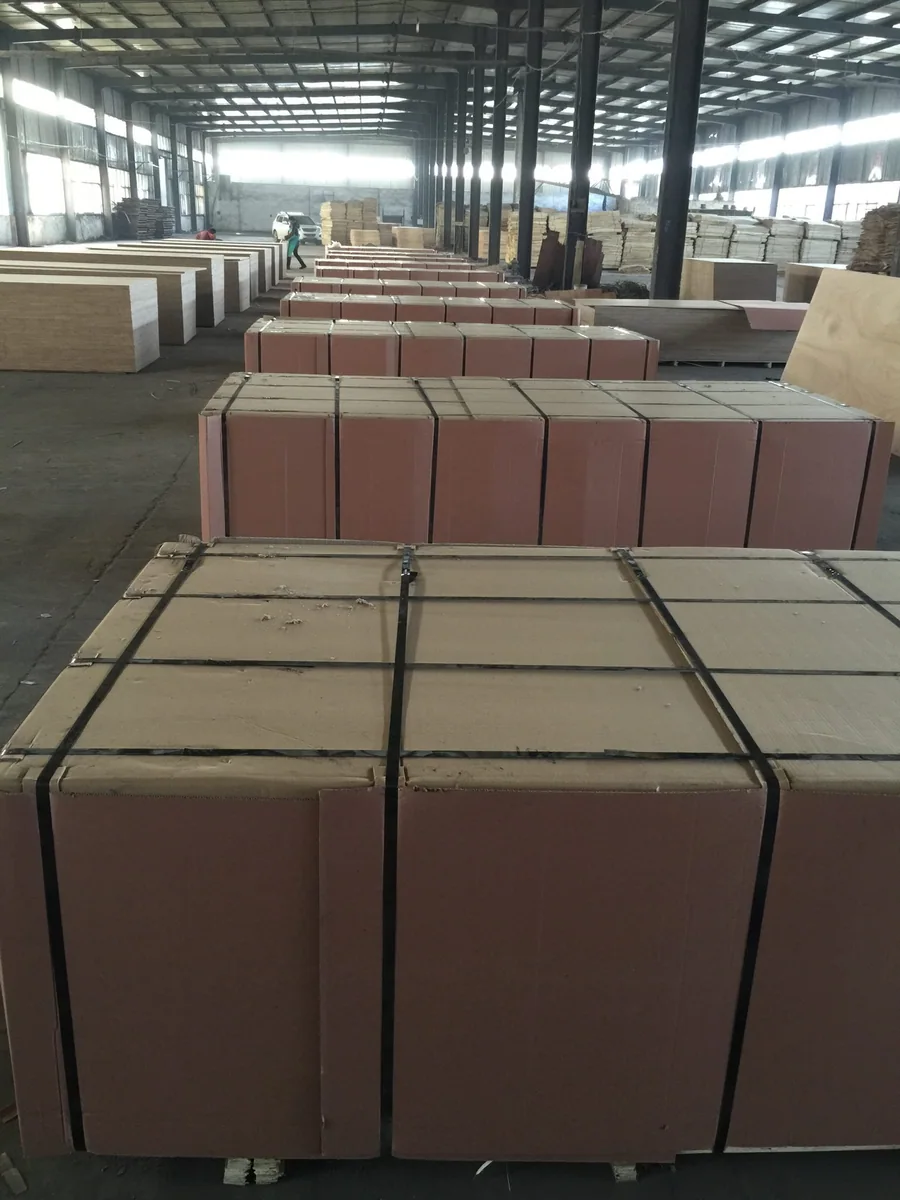
Distinguish a loose sheet, a strapped bundle, a framed panel and a complete formwork gang. Each has a different mass, shape and handling arrangement. A procedure suitable for one should not be copied onto another because both contain plywood.
Identify where cutting and assembly occur, how pieces reach their installed positions and what other trades are working nearby. The panel order, delivery plan and site method should use consistent dimensions and identifiers.
For the structural support interface, refer to our formwork-support guide. This article concentrates on handling and work activities around that designed arrangement.
Plan delivery and movement using the actual load
Obtain the bundle dimensions and gross weight, including packing where relevant. Consider the receiving surface, available equipment, travel route and space for controlled unpacking. A delivery that fits the vehicle may still be unsuitable for the planned receiving area.
Large sheets can be awkward because of their dimensions and wind exposure, even when a single sheet's mass appears manageable. Select the handling method through the site's assessment rather than assuming a fixed number of people is sufficient for every panel.
Keep transport restraints and lifting attachments distinct. Packaging bands hold a bundle for their specified purpose; they should not be treated as certified lifting points. Confirm any supplier-provided handling limitations before the load is moved.
Use the designated lifting arrangement for assembled forms
UK HSE lifting guidance calls for competent planning and supervision, with equipment appropriate to the operation. For a formwork assembly, the plan needs the actual configuration and designated lifting connections.
A rule requiring two points for every vertical lift or four for every horizontal lift cannot establish a suitable arrangement. Load distribution, equipment geometry and connection capacity matter. Loose facing pieces also need the intended containment or securing method.
Identify the receiving condition before movement begins, including how the assembly becomes stable at its destination. Keep people clear of the lifting operation as required by the plan. Do not use the lifting equipment to pull an unexpectedly stuck facing away from concrete.
Protect access routes, edges and openings
HSE's work-at-height guidance prioritises avoiding height exposure where possible, then preventing falls and limiting their consequences. It also addresses safe access, falling objects and rescue planning.
For plywood work, identify exposed edges, newly created openings and places where a panel is removed from the deck. Keep the intended protection in place through the relevant work stages. A loose sheet laid across a hole should not be assumed to be a designed, secured cover.
A smooth concrete-facing panel also does not automatically meet the requirements for a working platform. Specify the actual decking, supports and slip-related provisions needed for that role. Plan how tools and small components are controlled where people work below.
Organise cutting to control both the sheet and the dust
Use a designated cutting area with appropriate equipment, sheet support and space for the intended cut. Guards and operating methods belong to the machine and task. Avoid improvising a universal minimum offcut length or sawing method for different tools.
HSE guidance on cutting and sanding wood recommends reducing site machining where practicable and controlling remaining dust at source. Suitable extraction and any required respiratory protection need to be selected and maintained for the actual work.
A cut-list review can help reduce repeated site trimming. Our panel-fabrication guide explains the information needed for holes, edges and orientation. Prefabrication can reduce some cutting work, but it does not remove the need for controls wherever adjustments remain necessary.
Coordinate combustible stock, hot work and treatment products
Plywood, offcuts and packaging add combustible material to the work area. Keep the quantity and storage arrangement consistent with the site's fire plan, and avoid allowing waste to accumulate along access or escape routes.
HSE's construction process-fire guidance addresses both combustible materials and ignition sources, including hot work. Nearby welding or grinding needs coordination with the storage and work area; placing an extinguisher nearby is not the whole control plan.
For release agents, edge sealers and cleaning products, use the product instructions and safety information applicable to the actual formulation. Identify storage, ventilation, application and protective-equipment requirements. Similar-looking liquids should not be substituted solely because both are described as suitable for formwork.
Treat unexpected changes as a reason to reassess
Monitoring must connect observations to a defined reporting and response process. Unexpected movement, local bulging or a changing support condition should not trigger an improvised instruction to tighten components and continue pouring.
| Observed change | Why the original arrangement needs checking | Useful location information |
|---|---|---|
| New opening or removed edge protection | Access and fall exposure have changed | Floor, bay and affected route |
| Moved support or brace | The installed configuration may differ from the drawing | Member identity and drawing position |
| Unexpected movement or leakage during placement | The form may no longer be behaving as expected | Pour zone, time and visible symptom |
| Additional bundle or equipment load | The loading arrangement has changed | Weight information and proposed location |
Stop affected work and follow the site's instructions for making the area safe and obtaining the responsible assessment. Do not approach a distressed loaded form to take a closer photograph or attempt a repair.
Plan factory preparation and packing
Start with the formwork use, repeated parts or handling constraints. We help choose full sheets or prepared parts and develop the cutting and packing details.
Before production, agree finished sizes, any allowance for later work, bundle limits, identification and delivery stages. Keep construction and drawing references with replacement parts. The site team uses the actual product information to establish equipment, supervision and work methods.
Prepared shuttering plywood buying questions
Can factory cutting reduce work on site?
It can reduce repeated cutting when the approved dimensions are known. Any remaining adjustments still need suitable machine, handling and dust controls.
Can packaging bands be used to lift a bundle?
Do not treat transport packaging as certified lifting points. Use the designated lifting arrangement for the actual load and confirm any handling limitations.