
Solid wood retains the timber's natural structure, whether the component uses one board or joined pieces. A furniture design may combine timber with plywood or veneered MDF to achieve the look, shape and cost you want. Start with the table, cabinet or door design and its visible surfaces. We help compare the panel portions and finishes, while this guide explains timber construction, grain, movement and finished dimensions.
Oak plywood Oak veneered MDF Three-ply panels
Identify single boards and joined timber panels
A single timber board is cut and machined from a larger piece of wood. An edge-glued panel joins narrower pieces side by side to create width. Finger joints can join shorter pieces along their length. These constructions may all contain solid timber, but the glue lines, appearance and intended uses differ. Ask which joints are present and where they may appear in the finished part.
Veneered MDF and veneer-core plywood are different constructions: their decorative wood face is only one layer of the panel. A solid timber edge strip can conceal that substrate. Record the core as well as the face so an oak-faced shelf is not mistaken for oak throughout. Our board-family guide explains the principal sheet-material alternatives.
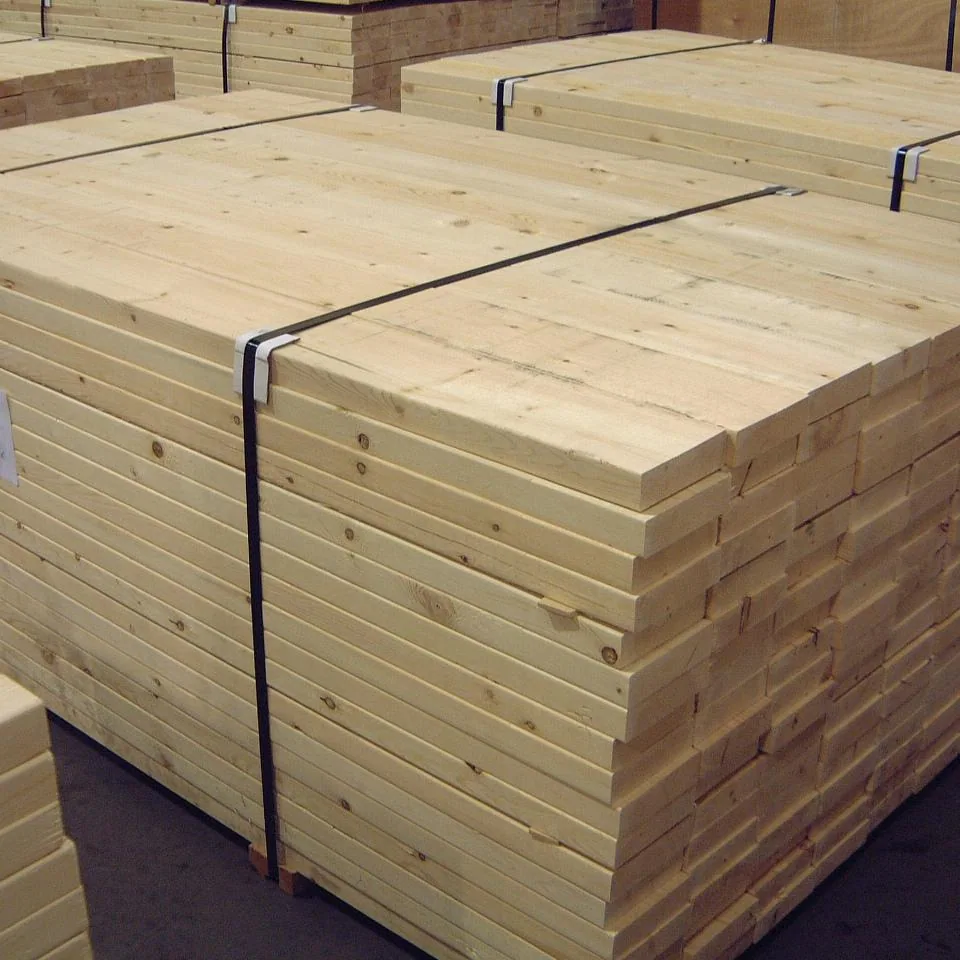
Name the species and the required wood characteristics
Hardwood and softwood are broad categories, not a universal ranking of hardness or quality. Species affects machining, colour, density and movement, while knots, grain direction and other characteristics affect individual pieces. US Forest Service guidance on wood structure provides the anatomical basis for those differences. Use a material description and an agreed appearance range instead of labels such as premium natural wood.
For visible work, identify acceptable sapwood, knots, mineral marks, repairs and colour variation. A character tabletop and a clear cabinet frame need different selection. If a species name is commercially ambiguous, clarify it in the order. Do not infer geographic origin from its colour, scent or trade name.
Specify usable finished dimensions
Separate the rough-sawn or oversize blank from the finished part. Planing, straightening, jointing and removing unsuitable areas reduce usable material. Quote requests should state whether dimensions are before or after machining, the permitted tolerances, the final section and the required quantity of accepted parts. A nominal thickness on a timber pack does not necessarily describe the thickness available after preparation.
For glued panels, also identify strip orientation, permitted strip widths and visible joint locations where they matter to the design. Narrow strips can create a different appearance from long continuous boards. The distinction should be sampled before selecting the material for a prominent surface.
Plan for moisture movement in use
Kiln-dried timber can still exchange moisture with its surroundings. US Forest Service drying guidance connects moisture control during storage and service with dimensional change. Specify the condition appropriate to the destination and manufacturing environment, and agree how it will be checked. Keep the intended service conditions in view when planning joints and clearances for later shrinking, swelling or movement.
Store material supported and protected while it awaits machining. If it arrives from substantially different conditions, establish readiness from the material and intended use rather than a fixed waiting period copied from another project. Keep measurements tied to the sample locations and instrument settings so a later investigation has usable records.
Design joints around the direction of movement
Wood behaves differently along and across its grain. A broad tabletop constrained across its width by a rigid fixing can develop stresses as conditions change. The fastening arrangement must provide the necessary restraint and accommodate movement in the appropriate direction. Do not select a connector only because it is described as heavy-duty.
US Forest Service fastening guidance explains the importance of grain direction and moisture-related dimensional changes in joint design. For furniture, obtain the appropriate detail for the selected top, frame and fastener system. A generic slotted hole or loose screw is not a complete design.
Use a timber-component purchase checklist
| Item | Specify | Why it matters |
|---|---|---|
| Material | Species and single, edge-glued or finger-jointed construction | Defines the actual component rather than its surface appearance |
| Visible faces | Colour range, grain, knots and permitted repairs | Controls selection and usable yield |
| Dimensions | Blank or finished sizes, section and tolerances | Allows for machining and fitting |
| Condition | Moisture requirement and measurement basis | Relates material preparation to the destination |
| Connections | Grain orientation, joint and fixing details | Addresses loading and movement together |
| Finish | Coating, exposed edges and care instructions | Defines appearance and maintenance expectations |
Choose the finish for the actual use
A clear finish reveals timber figure but also exposes colour variation and repairs. Paint may conceal colour differences while leaving joint movement visible. US Forest Service finishing guidance distinguishes appearance, protection and cleanability. Approve the finish on the specified wood and include edges and joints in the sample. A coating changes surface behaviour; it does not convert unsuitable timber into a universal exterior or wet-area product.
For a work surface, identify spills, heat, abrasion and the intended cleaning products. For a door or trim, focus on handling areas, corners and the way joints appear after finishing. The word solid does not supply any of these performance requirements.
Assess repairability by the damage and remaining section
Solid timber may permit more material removal than a thin decorative veneer, but not every scratch, split or stain can be sanded away acceptably. A deep repair can change a profile, weaken a section or reveal a colour mismatch. Joint failure and surface damage require different responses. Establish the remaining section, finish compatibility and appearance requirement before choosing a repair.
Veneered parts can also be repairable within their construction limits. Avoid choosing solid wood solely because all future damage is assumed reversible. Consider spare parts, replaceable components and accessible connections in the furniture design.
Bring timber and panel choices into one design
A cabinet may combine a timber frame, panel centre, plywood carcass and decorative veneer. This is a construction decision, not evidence of inferior furniture. Our MDF versus solid wood guide compares the choices by component. For the plywood or MDF portions of your project, start with a furniture image, drawing or wood reference through our enquiry form; we can compare faces, cores and edge details from our panel range, then develop dimensions and quantities for a useful quotation.
Practical buying questions
Can I match a veneered panel with solid timber?
Start with physical references for both materials and compare the intended finish. Agree a practical variation range for the visible faces and junctions.
Do all cabinet parts need the same material?
No. Timber frames, veneered centres and plywood or MDF carcass parts can have different roles. Choose each construction around its use and coordinate the visible finish.