
Film faced plywood test reports help your buying team review the board behind a quotation: its construction, bond, strength and working surface. Start with the panel you need and the properties your project asks for. We help connect the selected plywood, a useful sample and the relevant documents so the purchase can move from discussion to a clear factory order.
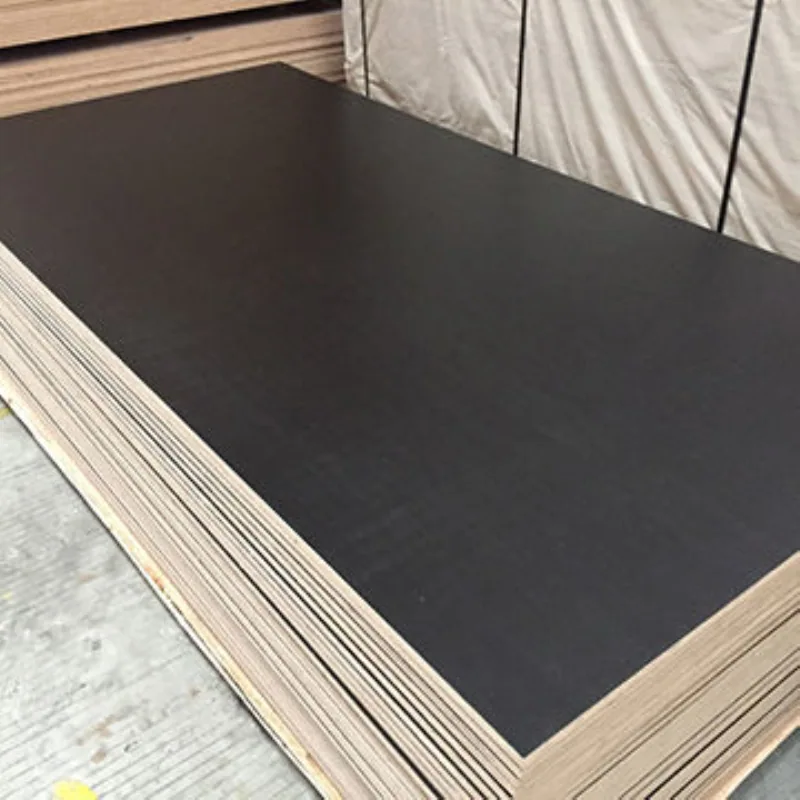
Film faced shuttering plywood 18mm black film plywood 18mm brown film plywood Custom plywood parts
Choose the documents around your panel requirement
Begin with the intended use, plywood construction and any project specification you have. Organise the requested information by the question it answers: bonding, bending, surface wear, dimensions or emissions. The table below helps a purchasing team build a focused document list while the panel selection is being developed.
If your buyer has supplied a test schedule, share it with us. If you are still choosing a panel, start with the application and the product you are considering; we can discuss the relevant documents alongside the sample and quotation.
| Requirement | What the evidence needs to identify |
|---|---|
| Bonding quality | Construction, method, pretreatment and applicable requirement |
| Bending performance | Thickness, direction, conditioning and type of reported value |
| Surface wear | Overlay variant, test conditions and endpoint |
| Dimensions | Finished-panel basis, measurement method and agreed tolerances |
| Application-specific compliance | Product or assembly scope and the named destination requirement |
Keep one panel reference through the quotation
Keep the product reference, thickness, core, layup where specified, bond designation and overlay together. Include both faces and any treatment. This connects the sample you review with the construction shown in the quotation and supporting report.
A change from birch throughout to a mixed core, or from one thickness to another, should be visible in the purchasing record. Confirm the document coverage for the selected construction as part of that change. The manufacturer’s reference and your own order code can be recorded together so both teams recognise the same material.
For custom parts, add the finished drawing and supplied processing. Sheet-level test results support material selection, while the part dimensions, openings and edge treatment are checked against the component order. Keep the designer’s requirements with any changes that affect the planned support or connection detail.
Our hardwood film faced plywood: SGS test results
The report identifies hardwood film faced plywood with a tested board thickness of 18.23mm. It reports bending strength under GB/T 17657-1999 and surface bond strength under GB/T 15102-2006, with elasticity and formaldehyde testing included.
SGS records bending strength of 54.7 MPa and surface bond strength of 1.40 MPa, with elasticity and formaldehyde testing included in the report.
View the SGS report · PDF View the reported product Get documents for my order
Use this construction and the stated test methods when reviewing your order. Send the panel or buyer requirements you have and we will help organise the relevant document request.
Read the sample, test and report details together
Read the sample description and the sample-receipt, test and report dates together. Identify the construction tested and how it was sampled. Where your order requires shipment-specific inspection or testing, agree that arrangement alongside the panel and batch identification.
Keep the complete report, including its methods, results and amendments, with the order file. ISO/IEC 17025 addresses laboratory competence and consistent operation; if your purchasing rules call for accreditation, include the applicable scope in the document request. Report questions can be resolved through the issuing laboratory’s published contact route.
Review bonding for the intended conditions
BS EN 314-1 gives plywood bonding test methods and BS EN 314-2 bonding requirements. Where requested, read the test method, pretreatment and assessed requirement together with the specimen identity and reported result. This keeps different quotations on the same comparison basis.
Use glue-line results to review the specified bond, alongside the panel’s separate mechanical, dimensional and surface information. Our bonding-strength guide explains shear testing and failure observations in more detail. A boiling demonstration can help show an observation, while the formal report records what was tested and assessed.
Compare bending results with direction and value type
BS EN 310 concerns bending strength and modulus of elasticity for wood-based panels. Retain the test direction, thickness and conditioning when comparing results. When the film hides the veneer grain, keep the relevant panel direction marked in the sample or part reference.
Identify whether each figure is an individual test result, a mean or a declared characteristic value. Your designer uses the appropriate information and design basis for the support layout and loads; a laboratory mean is not an allowable design stress. Our datasheet guide helps buyers read units and result types before comparing alternatives.
Connect surface tests with your working-face selection
Compare abrasion results for the actual overlay and test conditions. Keep the method, equipment setup, endpoint and units with the figure, including whether it describes initial wear, final wear or an average. This gives the team a consistent basis for comparing working surfaces.
Use surface data together with a representative sample or concrete-finish trial. Edge wear, tie-hole condition and stripping damage affect service in different ways from abrasion testing, so revolutions in a laboratory test are not a direct pour count. For chemical exposure, weathering or emissions requirements, retain the method and conditions with each result.
Keep the documents aligned when the panel changes
When a quotation changes, update its document list at the same time. For example, an order for 18mm mixed-core plywood with a stated 120 g/m² film per face and a report for 21mm birch plywood with a different overlay describe different constructions. Keep those identities visible while discussing the panel you want to buy.
The next step may be to provide the corresponding product report, confirm the applicable coverage or agree further testing requested by the project. Record that decision with the relevant order line. The factory, buyer and designer can then work from one agreed construction and document scope.
Bring the selected panel and documents into the order
Keep the selected product code, specification, sample and report references with the quotation and purchase order. Add any batch or shipment inspection requested for the job, with the sampling arrangement and records needed before dispatch.
For the next enquiry, send the product or application and the document requirements you have. We help connect the available panel information with the proposed construction, then work through sample, processing, packing and quotation details. You can begin that conversation before every field of the specification is settled.
Report and order questions
Which report should I request for film faced plywood?
Start with the product construction and the properties your buyer or project specifies. We help connect the selected panel with the relevant documents and any order-specific inspection request.
Can I review a sample and report together?
Yes. Keep the construction and thickness reference with the sample, then compare the face, core and supplied processing alongside the relevant product information.
How are documents handled when the panel changes?
Record the revised construction on the quotation and update its document references. Agree the relevant coverage and any further checks requested before confirming the changed order.