
Start with the grain you like, then decide how it should flow across the room. A furniture photo or wood reference is enough to begin choosing a veneer cut and matching layout. Plain, quarter, rift and rotary cuts create different grain patterns; book and slip matching arrange the leaves across a face. Our factory manufactures plywood and MDF substrates and decorative facings, helping turn that choice into coordinated doors, wall panels, edges and finishes.
Decorative veneer plywood Veneered MDF Oak veneer plywood
Choose the grain, face arrangement and panel sequence
Specify the wood and cut first, the arrangement of leaves within a face second, and the relationship between finished components third. Add any colour selection, dyeing and coating after those decisions. Our natural and engineered veneer comparison explains another independent choice: whether the face retains a log's grain or uses a reconstituted design.
A flitch or veneer bundle helps identify related material; it is not an appearance grade. A leaf is an individual veneer piece. Once leaves are assembled and bonded to a substrate, the resulting panel still needs a position and direction in the finished project. Use those terms consistently in drawings and sample records.
Find the veneer cut that gives your preferred grain
Plain slicing often produces cathedral-like figure; quarter slicing tends towards straighter grain and can expose oak rays. Rotary peeling produces a broad unfolding sheet. Rift-cut oak can provide a straighter appearance with less conspicuous ray figure. Compare the actual offered veneer range before selecting the face.
| Cut | Typical visual direction | Check on the sample |
|---|---|---|
| Plain / flat sliced | Arched or cathedral-like figure may appear | Where the strongest figure falls on each component |
| Quarter sliced | Straighter grain; oak ray figure can be prominent | Whether the selected ray pattern suits the design |
| Rift cut | Straighter oak grain with reduced ray emphasis | The actual variation across the allocated material |
| Rotary cut | Broad, varied grain from peeling around a log | Whether a whole or joined face fits the intended look |
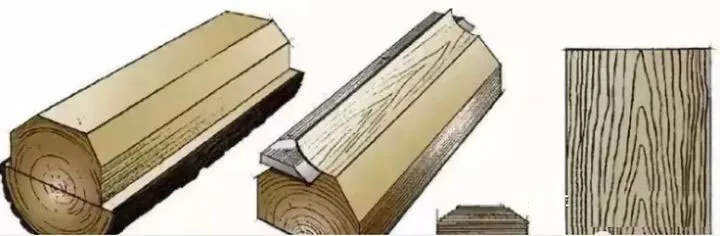
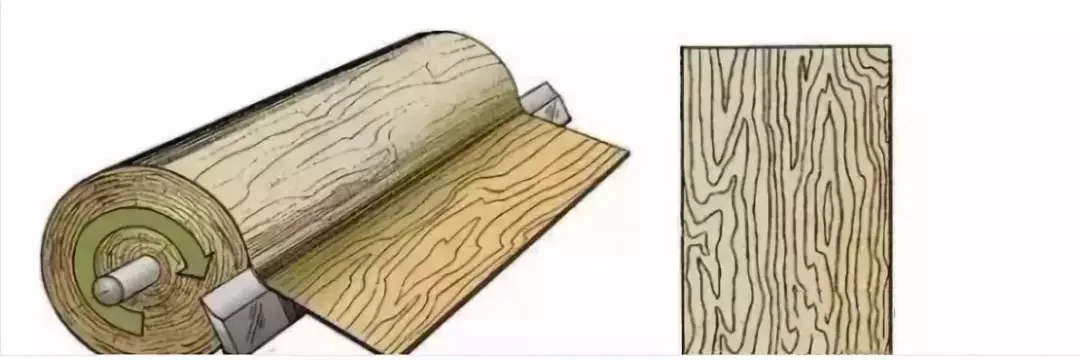
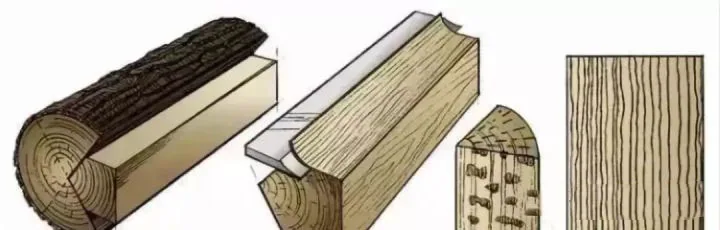
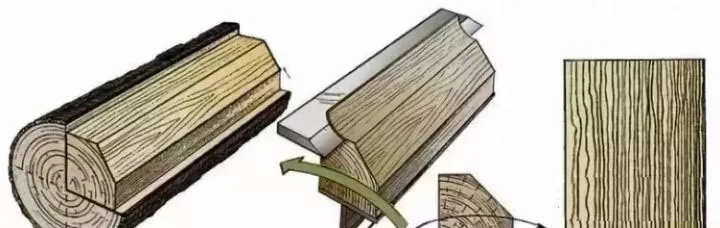
Compare mirrored and repeated leaf arrangements
Book matching turns alternate leaves over to create a mirrored relationship. Slip matching keeps the leaves facing the same way as they are placed side by side. Choose the arrangement for its symmetry, repetition and reflection. Book matching can create light and dark bands because adjacent exposed sides reflect light or take finish differently. This effect needs to be reviewed on a finished face, not judged only from an unfinished swatch.
For a symmetrical cabinet front, draw the intended centre line and show which figure should meet there. For an uninterrupted linear look, review a slip-matched sample and the resulting joint positions. Neither choice guarantees that natural colour variation disappears.
Place the grain across the finished panel
The AWI glossary distinguishes balanced and centre-matched faces. Balanced matching uses equal-width leaves; centre matching uses an even number arranged about a central joint. Running layouts allow different widths at the sides. These distinctions affect symmetry and usable material, so include them explicitly when the face composition matters.
Place the visual centre on the finished component, allowing for trimming from the stock sheet. If one side loses more material for a fitted opening, the final component's visual centre moves. Give the fabricator the finished dimensions and the intended centre line before laying out the face.
Carry the design across doors and wall panels
Sequence matching retains an ordered relationship between panel faces. It does not by itself promise that every grain line continues across every cut component. Blueprint matching goes further by planning the appearance around specified component positions and dimensions. End matching concerns the relationship at panel ends. State which relationship the project needs and attach the elevation drawing.
For a two-panel wall above a door, specify whether the upper pieces should continue the panels below or form a separate band. Without that instruction, both arrangements might use the same veneer species and still produce very different rooms. Our oak panel layout guide develops these decisions for doors, walls and corners.
Plan a four-front cabinet set
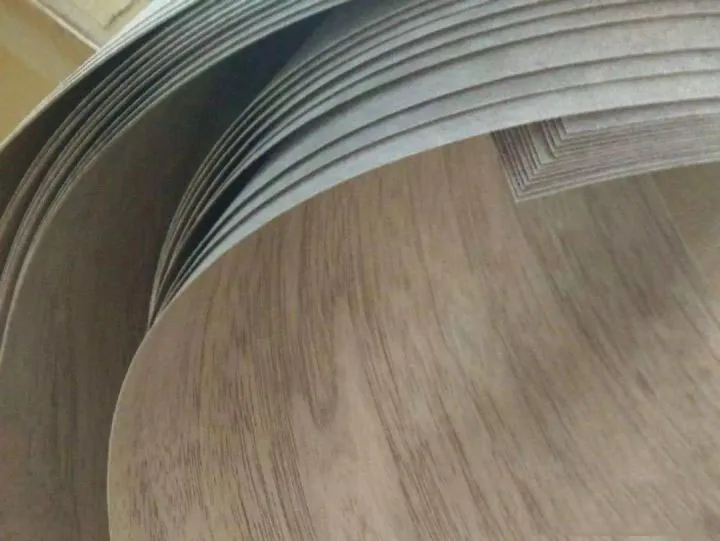
Label four equal-width fronts A to D from left to right and mark their top edges. Decide whether each front has its own symmetrical face or all four come from one coordinated layout. These are different specifications. Then draw the gaps, edge treatments and handles. Confirm that the selected source format can provide the required pieces after trimming and cutting losses.
Lay out the actual fronts together before finishing and again before packing. Keep their identifiers readable on a concealed surface or protective label. Installing C where B belongs can break the intended relationship even when every individual front passes an appearance check.
Choose wood character alongside the matching layout
Both straight and figured faces can be carefully selected; agree the colour range and natural wood characteristics you want. ISO 2426-2 addresses hardwood plywood appearance characteristics and defects, not a universal aesthetic preference for straight over cathedral grain. Its stated scope excludes overlaid panels. Name an applicable grading basis and agree visible features separately from the matching layout.
Include the back face in the schedule, especially for doors viewed from both sides. The visible back need not continue the front's design, but its appearance and construction must be defined. Do not use a face-matching instruction as a substitute for the substrate and reverse-face specification.
See the grain at the scale of your room
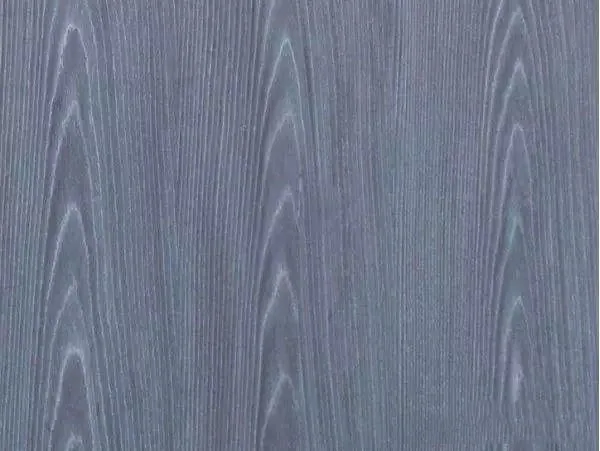
A small sample can establish colour and texture, while a larger joined sample reveals joint rhythm, repeated figure and changes under light. Review it upright for a wall or door and horizontally for a desk or shelf. Keep orientation consistent when comparing pieces. Strong directional light can make differences more apparent than a diffuse workshop photograph.
Record the coating and acceptable colour range with the layout. If a darker stain or different sheen is chosen later, repeat the relevant appearance check. Matching terminology remains the same, but the visible result can change enough to affect the original design decision.
Send a grain photo or a simple sketch
Use our enquiry form to send a grain photo or simple sketch. We help choose the cut, leaf arrangement and panel sequence, then develop the edge and finish sample. Choose from our decorative plywood and veneered MDF options. Mark the desired continuity directly on a sketch and add the finished sizes, quantity and destination when ready for a quote.
Veneer grain and matching buying questions
Do I need to know the veneer cut before contacting you?
No. Send a photo of the grain you like. We help translate that appearance into a cut and matching layout, then compare a finished sample.
Is one small swatch enough for matched doors?
Use the swatch to shortlist colour, then review adjacent faces or a numbered layout. Include cutting gaps, edges and finish to judge the doors as a set.