
Choose veneer plywood by the woodgrain and colour you want to see across your furniture or walls. Send a reference photo, favourite sample or room idea and we help select the face, matching and finish. The plywood core supports the part, while the edge and reverse complete its appearance. Our factory manufactures plywood and MDF substrates and decorative facings, so the visible design and custom panel work can be planned together.
Veneer plywood faces Veneered MDF Custom panel sizes
Choose the face, core and reverse together
A decorative face may be sliced or otherwise cut from a selected wood, then bonded to a prepared plywood substrate. The reverse face can be decorative, balancing or another specified construction. Record the decorative species separately from the core and bonding grade. EN 636 addresses plywood grades for dry, humid and exterior conditions; the project must name the relevant core requirement separately from face appearance.
Find the wood colour and character you like
Oak, walnut, ash, birch, beech, cherry and other faces have different grain, colour and finishing responses. Natural within-species variation can be substantial. Wear, impact response and dimensional stability depend on the complete panel and finish; the decorative wood species alone does not establish those properties. Send a physical reference sample or approved photographs under consistent lighting and define the permissible colour range.
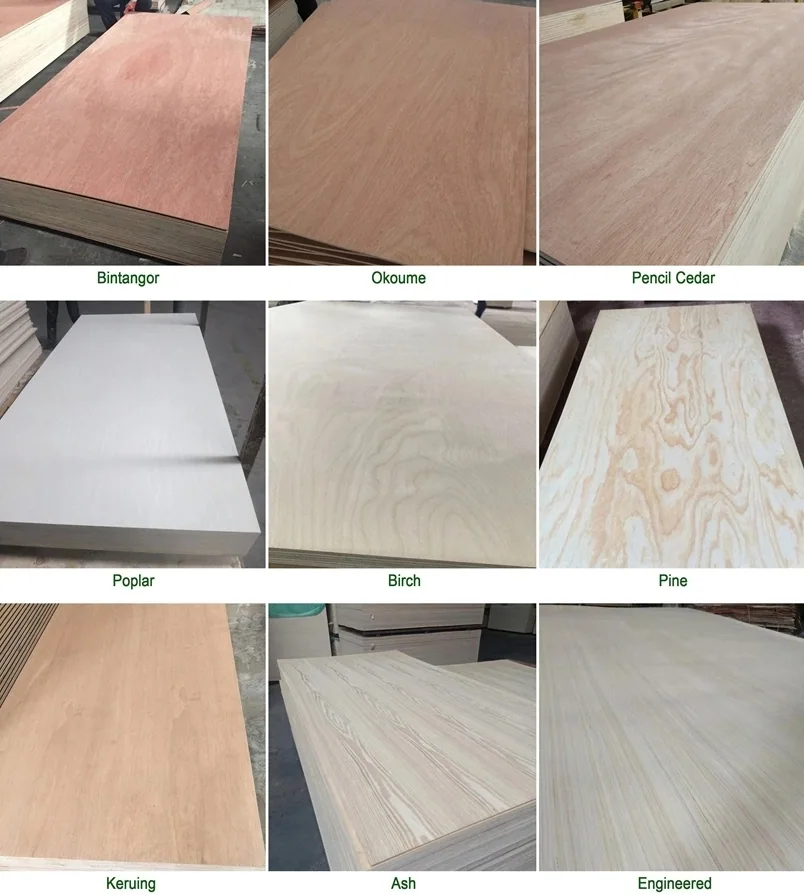
Choose a grain pattern for your furniture
Rotary cutting tends to produce broad, repeating figures; sliced veneer can show straight or cathedral grain depending on how the log is cut. The US Forest Service Wood Handbook's adhesive chapter discusses rotary- and sliced-veneer surfaces and why the checked or “loose” side matters to finishing. Review the cut direction on the sample to see how the grain will read on the final wall or cabinet face.
Carry the grain across adjacent doors
For adjacent cabinet doors or wall panels, decide whether the face should be book-matched, slip-matched, random-matched or otherwise arranged. Numbered panels may be needed to preserve sequence across a run. Matching can change the apparent colour and figure even when veneer comes from one log. Put the approved layout on the drawing and clarify whether replacement sheets must match the original sequence or only the general colour range.
Match the core to machining and use
Thickness, ply arrangement, visible edge quality, bond requirement and moisture exposure affect the core decision. Review a cut edge and machined sample alongside the face to check the proposed substrate. EN 314-2 specifies plywood bonding-quality requirements; the evidence should match the offered panel. For a curved door or long shelf, the designer must evaluate bending and support. For a bathroom, address wet edges and the actual humidity grade rather than rely on a luxurious face species.
See your veneer with the intended finish
Finishing can deepen colour, highlight grain or reveal checks and glue marks. The US Forest Service finishing guidance says appearance, protection and cleanability all matter. Approve the finish on a representative panel, including edge treatment and light exposure, before a large run. Use the finishing system chosen for the actual species and sample. Some finishes require different substrate preparation or maintenance.
| Attribute | Agree before production | Check at receipt |
|---|---|---|
| Face | Species, cut, grade, colour range | Sample and sequence match |
| Pattern | Book/slip/random match and direction | Panel layout |
| Core | Construction, thickness, bond, exposure | Cut edge and document |
| Back | Decorative or balancing requirement | Flatness and finish |
| Coating | Stain, sheen, system, edge detail | Trial appearance |
Compare natural and engineered looks
Natural veneer shows variation within the tree and across logs. Engineered veneer is made to create a more repeatable appearance, but it has its own construction and adhesive history. Neither is automatically better for every project. Identify the selected face as natural or engineered in the drawing and sample record. Our natural-versus-engineered veneer guide explores the choice further.
Start your veneer panel enquiry with a photo
Start with a photo or preferred grain via our enquiry form. We help choose from our decorative plywood range and prepare a sample with the intended matching, edge and finish. Add the sizes, quantity and destination when ready for pricing. If the substrate could instead be MDF, our veneered MDF family provides a distinct option.
Veneer-plywood questions
Does a species name tell me the whole sheet species?
No. Ask for face, core and back constructions separately.
Can natural veneers match perfectly across batches?
No exact identity should be assumed; agree a reference range and sequencing method.
Does clear lacquer make veneer waterproof?
No. Finish, core, edges and maintenance determine the component's service behaviour.