
Start a film faced plywood order with the form or component you want to make, then develop the panel, sample and delivery plan together. PanelSource manufactures plywood and MDF, including film faced full sheets, cut blanks and processed parts. A photo, sketch or existing size is enough to begin. We help choose the face and construction, agree the work to complete at the factory and carry those choices from quotation through packing and shipment.
- Film faced shuttering plywood: Start here for concrete-contact sheets and parts selected around the formwork design.
- 18mm black film faced plywood: Compare when the drawing or existing system calls for an 18mm facing.
- Textured film plywood: Consider separately for a specified walking surface or transport floor, with the required surface and panel properties.
Start with the form, component or existing panel
For concrete forms, start with the wall, column, beam or slab face, desired concrete finish and the system the panel will fit. A photo or sketch helps us discuss sheet formats and supplied processing. As the specification develops, add the qualified designer’s material and support requirements. ACI 347R explains that concrete pressure and formwork loads are system design matters. We carry the specified material into the factory offer, while the project designer establishes the support spacing and complete formwork arrangement.
For temporary floors or transport lining, state the walking or loading requirement, wetting, abrasion and cleaning conditions. A smooth concrete-contact film may not be the correct walking surface. Our textured film category can be compared separately. Do not choose a panel for a safety-critical floor from its photograph alone.
Choose the core, film and supplied construction
List at least the core layup, face veneer, bond requirement, film working face, reverse face, edge seal and finished thickness. A poplar or birch core name can conceal different veneer arrangements. Ask whether the species description refers to all plies and whether core gaps or repairs are permitted. Where the panel’s mechanical properties matter to the form design, request data for the construction offered, not a generic species statement.
We keep colour separate from performance. Black, brown and red film can be supplied with different cores and bonds. If two offers use different film weights, ask for the completed overlay specification and intended finish, not only a heavier-paper claim. Read our film colour comparison for a like-for-like checklist.
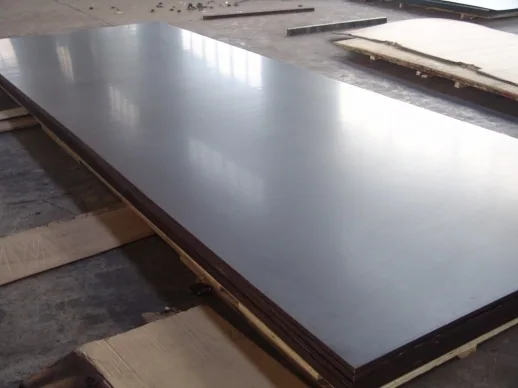
Try the working face, core and important detail
Ask for a sample from the proposed production construction. Inspect both faces and a cut edge. Measure thickness, examine permitted gaps and repairs, and check the film for scratches, blisters, folds and corner defects. Record the sample identity and the agreed acceptance criteria. A smooth black face alone cannot verify the hidden core or adhesive bond.
If concrete appearance matters, trial the intended panel with the release agent and concrete mix planned for the job. Document joints and stripping method too. A trial tells the project what happened under those conditions; it is not a universal guarantee of the same finish at any site. APA’s concrete forming guide considers panel surface characteristics alongside form design and maintenance.
Match the required documents to the selected panel
Specify the bond test or class required by the project. EN 314-1 describes plywood bonding test methods; a test result should identify the relevant specimen and method. If a project uses another standard, name that standard in the order. “WBP” or “phenolic” without a declared test basis is too vague.
Check whether a document applies to the face, core, adhesive, finished panel or only a separate material. A test on a different thickness or construction may not answer the current order. Structural properties need their own evidence; they do not follow from a bond report. Our WBP guide explains these distinctions.
Choose full sheets or cut parts from your layout
Compare offered sheet sizes with the formwork layout and cutting plan. A smaller sheet can cause more joints, cutting and edge protection; a larger sheet can change handling, pallet or container loading. Calculate usable components per sheet, not simply square metres purchased. State whether we are quoting full sheets or cut parts.
Nominal thickness and finished tolerance need separate fields. Confirm the intended system fit and panel orientation in the drawing. Do not solve an unresolved design requirement by automatically ordering the thickest available board. The project team must check weight, load and supports against the actual panel properties.
Bring the agreed choices into a factory quotation
| Field | Question |
|---|---|
| Construction | Same core, layup and repairs, or a documented alternative? |
| Dimensions | Same finished thickness and size tolerances? |
| Surface | Same working-face sample, reverse face and edge treatment? |
| Evidence | Same tests, report scope and inspection plan? |
| Delivery | Same packaging, shipping basis, destination and timing? |
Compare any changed requirement as a separate panel option. Use a comparable site trial to record acceptable pours, cleaning and care, then calculate the cost of the completed work. Our five buying mistakes guide shows which panel and site-cost inputs to include.
Connect packing and inspection with your order
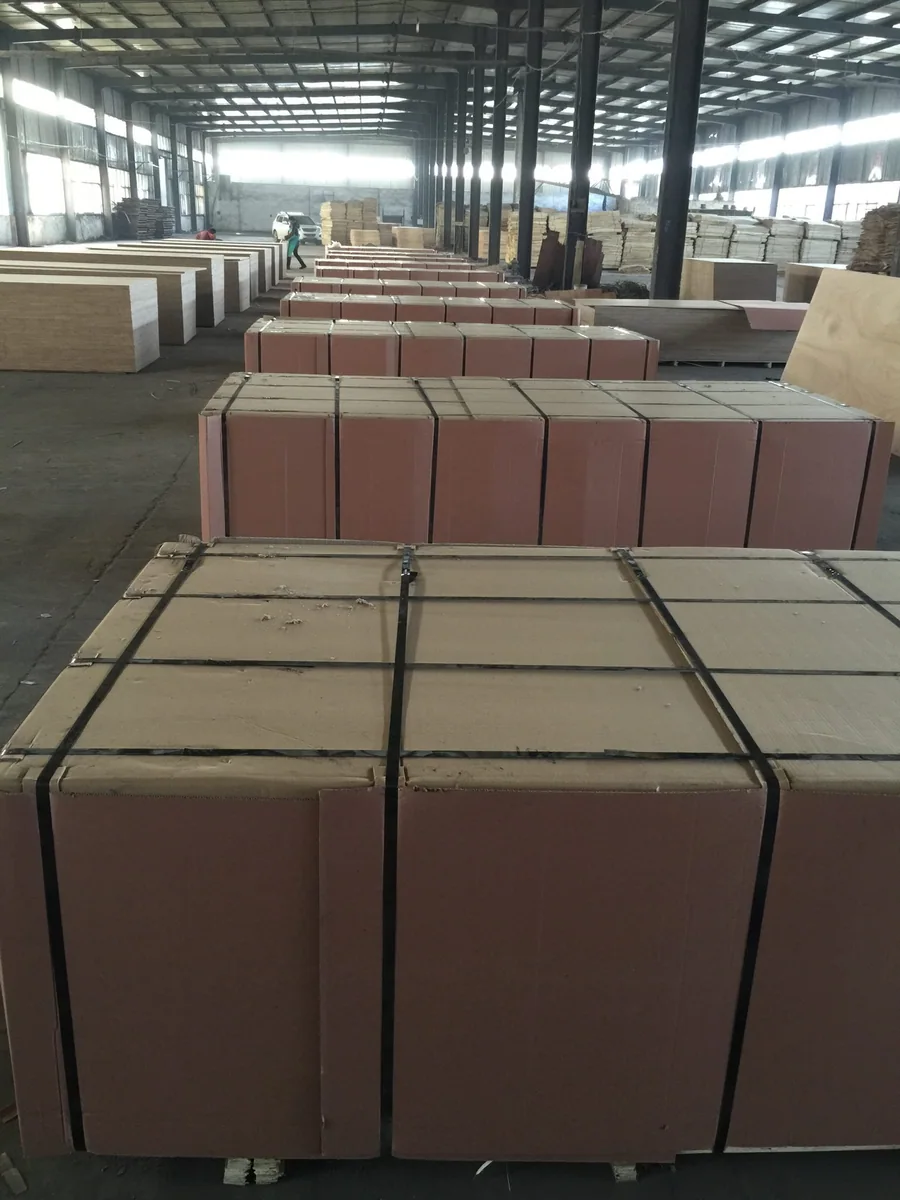
Agree sampling, measurement and visible-defect limits in advance. At shipment, compare labels and pallet count with the order. Inspect faces and edges; measure selected sheets for thickness, size, diagonal and flatness. Review requested test documents for the quoted construction. Check protection against corner damage and moisture during transport.
On receipt, record any wet wrapping or broken pallet before distributing panels across the site. Keep an order-linked sample so a repeat purchase can be compared against the same reference. APA’s maintenance guidance also supports protected, flat storage after use, when a form panel is to be reused.
Film faced plywood order questions
Should we order only the lowest-priced 18 mm sheet?
First make sure the offers share the same construction, tolerance, film, bond evidence and delivery scope. Compare project cost after a controlled use trial where reuse matters.
Can we rely on an image to approve film quality?
Use the image to select candidates. Approve a physical sample and a concrete-finish trial where appearance is specified.
What do we send for the first quotation?
Start with the use, a sketch, project photo or existing sizes. We help choose the panel and sample, then complete the dimensions, quantity, required documents and delivery destination for the quotation.