
A plywood supply chain connects the chosen face and core with factory production, packing and delivery. Start with your current panel or intended use and the date you need it. We help choose the construction, samples and supplied format, then plan material readiness and production milestones around your order. This guide explains the stages behind that supply plan.
Birch plywood sheets Decorative plywood Film faced plywood
Define the product before mapping its supply chain
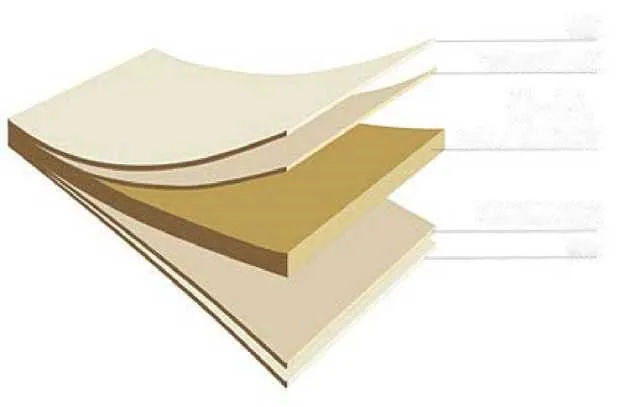
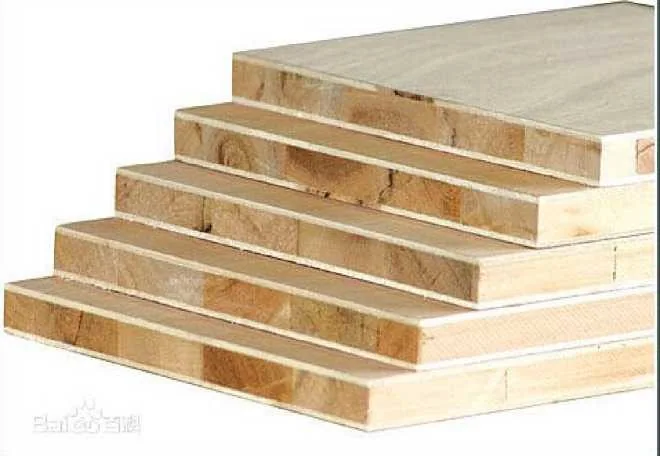
Veneer-core plywood, blockboard and MDF use different material routes. Veneer-core plywood builds its core from veneer layers; blockboard uses a core of wood strips, while MDF begins with wood fibres. A similar finished sheet size does not make their raw-material requirements interchangeable.
FAO's forest-product classifications help distinguish the categories used in production and trade data. Check the product definition, reporting period and measurement unit before using a statistic to describe a market or resource.
Logs, veneer and finished panels can represent successive stages of the same wood. Adding their reported volumes does not produce a meaningful total of unique wood supply. For an order, start with the actual panel construction and the inputs needed to make it.
Identify the output required at each handoff
| Stage | Output needed by the next stage | Record to connect |
|---|---|---|
| Wood sourcing | Logs or veneers of the agreed identity and condition | Material description and source-lot reference |
| Veneer preparation | Graded veneers ready for the specified lay-up | Dimensions, grade and moisture checks |
| Panel manufacture | Pressed and finished panels meeting the order | Construction, production batch and test records |
| Packing and delivery | Identified packs and shipment information | Pack list, quantities and agreed transport documents |
Some stages may happen at one site; others may involve separate suppliers. The key question is whether the required material and records arrive together. Our plywood production guide covers the factory sequence in more detail.
Identify the materials needed for your order
The limiting input may be a selected decorative face, a particular core veneer, an overlay or a required adhesive system. Ordinary veneer availability does not establish readiness for every face match, sheet size or bond specification.
Separate stocked inputs from material reserved for your order. A general statement that a factory has plywood in stock should identify the dimensions, construction, grade and quantity available. Unfinished panels still requiring a specific surface are a different delivery proposition from packed finished goods.
Confirm samples, drawings and acceptance requirements before scheduling dependent work. If matching faces must be reviewed together, make that part of the material plan rather than discovering it after unrelated sheets have been selected.
Plan production and delivery with clear milestones
A quoted production lead time needs a defined start. Depending on the order, that may follow final specification agreement, drawing confirmation, required payment arrangements and availability of a selected material. Record which conditions apply rather than assuming that an initial email starts production.
Separate material-ready, production-complete, inspection-complete, packed-ready and shipment milestones. A vessel departure estimate is not the date the panels leave the press, and it is not a guaranteed arrival at the customer's premises.
Work backwards from the required delivery window. Include the time needed for agreed testing, packing, booking and inland movement. If one milestone slips, ask which later dates change and which can remain feasible; avoid compressing necessary checks simply to preserve the original calendar.
Keep batch identity through conversion and packing
A useful record connects the accepted material, production batch, inspection result and delivered packs. If several veneer lots enter one batch, document the relationship at the level required by the purchase specification.
FSC's chain-of-custody framework concerns eligible forest-based material through processing and distribution. When a certified claim is part of an order, confirm the relevant scope and transaction claim; ordinary production traceability and a specific certification claim are related but different requirements.
Pack identification makes the records useful after delivery. If a problem concerns only some packs, their references allow a focused investigation. Our production quality management guide explains how batch records support that process.
Assess supply changes against the finished requirement
A replacement face, core source or adhesive system can have consequences beyond the price of the input. Identify the affected layer and assess appearance, dimensions, machining, bonding, mass and documentation as relevant to the application.
For example, changing the decorative face source may require a new appearance comparison even if the core stays the same. Changing the inner construction may require performance evidence even if the visible faces look unchanged.
Keep the agreed change, applicable batch and supporting checks together. Do not let a temporary material substitution become an undocumented default on repeat orders. Our production specification guide helps turn these requirements into measurable acceptance points.
Agree the export handoff and included costs
State the chosen trade rule, named place or port and edition in the commercial agreement. ICC's Incoterms® 2020 rules define allocations of costs, risks and obligations between buyer and seller. The three-letter term alone does not describe the full order.
Keep product quality, payment, document requirements and delivery milestones explicit alongside that rule. Identify who arranges each transport stage and which dates are estimates. Separate the panel quotation's validity from the validity of a freight quotation.
Match the invoice, packing list and shipment references to the final quantity and pack identification. Send destination and unloading constraints early through our freight coordination service, especially when sheet size or pack handling affects the delivery plan.
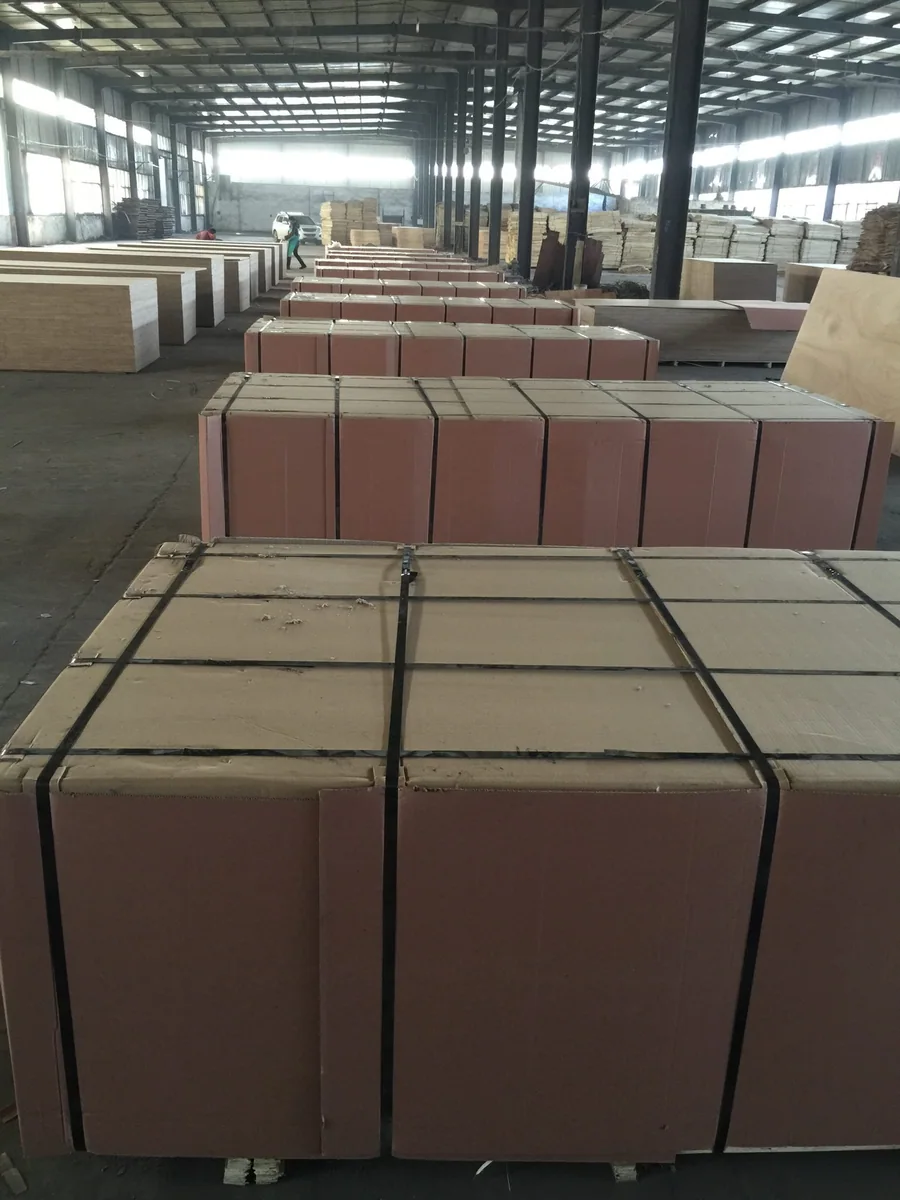
Plan repeat supply around your actual use
For repeat supply, share the panel specification, forecast demand, confirmed order quantity and required delivery windows separately. A forecast helps discuss material planning; it should not be confused with a confirmed production instruction.
Identify which inputs are difficult to substitute and where a reserve would be useful: raw veneer, a selected face set or finished panels. Review the quantity against storage conditions, specification stability and actual usage rather than accumulating stock without a defined purpose.
Send us your plywood order and delivery plan. We can discuss the material dependencies, production milestones and export handoff with a clear view of what must be ready for each stage to proceed.
Plywood production and delivery buying questions
Can you plan supply from a previous order?
Yes. Send the earlier board or order reference and the timing you need. We review any changes in construction, processing, quantity and delivery before developing the new plan.
How is production timing different from delivery timing?
Production timing covers the agreed factory work from its stated starting conditions. Packing, dispatch and transport have their own milestones in the order plan.