
Choose film faced plywood with the next concrete finish in view. A suitable facing and coordinated joint layout can help reduce corrective work, while paint, render and protective coatings retain their own preparation requirements. PanelSource helps select the plywood surface and a sample for the finish route your project needs.
For a smooth formed surface, start with film faced shuttering plywood; compare MDO-faced plywood where the finish brief calls for that overlay. Identify whether the concrete stays exposed or receives a bonded finish, then trial the chosen face through the specified preparation and final treatment.
Identify the final finish for each concrete zone
Mark the final surface treatment on the concrete drawings. Distinguish an exposed entrance wall from a painted service wall, a rendered elevation or concrete behind cladding. Similar geometry does not mean the same handover requirement.
Describe what the formwork operation must deliver for each route. For exposed concrete, visible joints, colour and repairs may be central. For a bonded finish, surface soundness, cleanliness, profile and compatibility may control the next step.
| Final surface | Question to resolve before forming |
|---|---|
| Exposed concrete | Which joint pattern, texture and repair appearance will remain visible? |
| Decorative coating | What preparation, pore treatment and primer does the selected coating require? |
| Render or bonded lining | What substrate condition and bonding method are specified for that system? |
| Protective treatment | Which residues or previous treatments could impair adhesion or penetration? |
| Concealed concrete | Which dimensional, durability and local interface requirements still apply? |
Use our fair-faced concrete brief for the appearance criteria. This guide addresses the work required to hand that formed surface to the next operation.
Assess the formed surface for the selected finish
A surface can appear smooth yet still require preparation for adhesion. Conversely, a textured surface may need levelling to achieve the required final appearance. Assess the substrate against the selected finishing system rather than a general description such as paint-ready.
Check the preparation needed for the coating applied after stripping. A smooth concrete face can still need cleaning and preparation before it is ready for the selected finish.
Do not apply that product's preparation method or limits to every paint, render or coating. Obtain the current instructions for the actual system and market. Identify the required assessment method as well as any acceptance value.
Keep flatness, surface texture and local defects as separate observations. Removing a projecting fin is a different task from correcting a broad surface deviation or preparing a sound face for a primer.
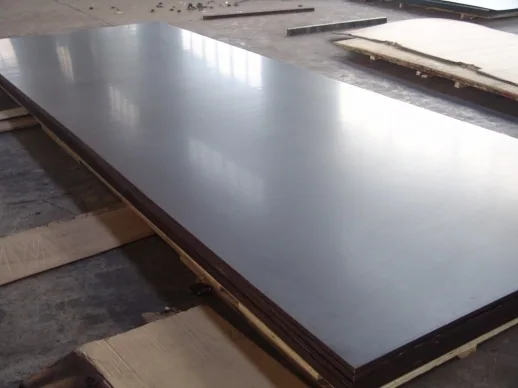
Coordinate panel details with later finishing work
Coordinate the panel grid, ties, corners and construction joints with the final finish. A joint moved for cutting convenience can remain visible on an exposed wall or create an unexpected correction task before a thin coating.
Record which facing repairs are acceptable in each concrete-finish zone. A flush repair can differ from the surrounding face and may remain visible in the cast surface.
Include a tie-hole treatment and corner detail in the coordination package. A good broad-face result cannot compensate for an unresolved sequence around ties, embedded items or adjoining finishes.
For a repeated area, keep the facing condition and preparation consistent with the reference. If some panels are new and others repaired, assess that proposed combination rather than assuming every sheet produces the same appearance.
Record release agents, curing and surface treatments
Record the release product and how it was applied, together with any curing compound, surface treatment or subsequent contamination. The finishing contractor needs to know what may remain on or within the concrete surface.
Release treatment acts at the form face; curing protects the developing concrete; a later primer or protective coating has another function. Compatibility between these operations needs to be established rather than inferred from each product working separately.
Keep the concrete surface’s treatment history with the finishing brief. Previous release agents, sealers or coatings can affect the preparation required for the next system.
Identify the agreed cleaning and preparation process before the trial. Avoid choosing an aggressive method on the completed elevation simply because the previous products were not recorded. The method must also preserve the intended concrete appearance where it remains visible.
Resolve repairs and check substrate condition
Record the location and extent of surface defects after stripping. Distinguish cosmetic corrections from defects requiring engineering assessment. A coating or render should not be used to conceal an unresolved structural concern.
For permitted repairs, specify the material, preparation and required cure before the next finish. Include repaired patches in the finishing trial: their absorbency and appearance may differ from the surrounding concrete.
Check moisture and other substrate conditions using the method required by the chosen system. Concrete strength sufficient for a particular formwork release does not automatically mean it is ready for a moisture-sensitive coating.
Keep environmental conditions and the assessment date with the result. A surface previously accepted for finishing may need another check after rain, leakage, cleaning or a long delay. Do not replace those checks with a universal waiting period.
Trial the route from form face to final finish
Make the trial representative of the intended facing, release product, concrete and site procedure. Include a panel joint, tie treatment and relevant repair rather than relying only on an uninterrupted flat patch.
Continue the trial through the planned cleaning, preparation, primer and finish, where those are specified. Assess the final appearance and any required adhesion or other performance checks using the agreed methods.
Keep the forming-stage result and the final-stage result separate. A satisfactory concrete face might still need a changed preparation method; a coating that conceals a mark does not demonstrate that the original exposed-concrete requirement was met.
If an operation can be reduced or omitted following the trial, record the exact reason and affected zone in the agreed scope. A successful local test should not silently remove preparation from other surfaces with different conditions.
Measure the finishing work that remains
Record correction and preparation by task: local fin removal, pore filling, patch repair, broader levelling, cleaning and the specified coating build-up. Distinguish work avoided through better forming from work still required by the final finish.
For example, when a trial avoids broad levelling but still needs local filling, cleaning and a primer, record the levelling as the work saved. Keep the remaining preparation in the finish plan and cost comparison.
Use the same final acceptance criteria and measurement boundary for any comparison. Include repeat visits and remedial work where attributable, rather than recording only the time taken immediately after stripping.
Our productivity guide explains time and labour measures. Use project observations for the figures; we do not assign a universal finishing-cost saving to a film colour or core species.
Choose plywood around the final finish schedule
Start with the finish schedule or tell us which surfaces will stay exposed, be painted or receive another treatment. We help select a facing and sample, then add the panel layout, sizes, quantities and destination to the order.
Share the selected release treatment and trial result when available. For a bonded finish, include the planned preparation so the plywood choice can be coordinated with the project’s finishing team.
We can discuss our film faced plywood against that brief. Send your concrete-surface requirements so the supply supports a defined handover condition and the work that follows it.
Buying plywood for the final concrete finish
Will film faced plywood eliminate finishing work?
It may reduce particular corrections when the forming result meets the project criteria. Cleaning, substrate checks and preparation required by the final finish still apply; use the full trial to identify which work can be reduced.
What sample is useful when concrete will be painted?
Use the proposed plywood, release agent and concrete, then carry the trial through the selected paint system’s preparation and coating steps. Include joints and any permitted repairs.