
A container floorboard replacement order brings the existing floor reference, replacement dimensions and repair details into one practical supply list. We manufacture container flooring plywood in our own factory and can supply full boards or drawing-specific parts. Start with the damaged board, its markings and the sizes you have; we help plan the replacement construction, sample and delivery around the owner’s repair requirements.
For one repair or repeat depot stock, organise parts by position and board code. A clear cutting and packing list helps your team find the right replacement quickly and carry the selected construction into the repair record.
Container floorboards and replacement parts Cut-to-size plywood service
Start with the existing board and repair requirement
Photograph the board’s face, underside, exposed edge and markings, and record known dimensions. Add the container type, owner, board product reference and repair instructions when available. These details give the factory a useful starting point even while the full drawing is being assembled.
The Container Owners Association (COA) says replacement floorboards should be consistent with the original container floor type approval and advises depots to contact the owner for the required specification. Keep that accepted reference with the repair schedule, including support spacing, board orientation and the affected floor area.
Connect the repair with its required verification
ISO 1496-1 defines testing for general-purpose freight containers. An ISO 1496-1 amendment published in 2024 includes floor pass/fail criteria. The owner and responsible engineer determine which edition and verification route apply to the repair. Record those requirements beside the replacement board reference.
Plan the applicable board or depot checks and any completed-floor verification as separate steps. A fitting sample helps settle dimensions and installation details; the required test records address the stated performance scope. This gives the purchasing and repair teams a clear sequence from board selection to acceptance.
Choose the construction and supplied part stage
Name the selected species or composite type, ply arrangement, bond, treatment, wear face and finished dimensions. COA’s short-span guidance discusses plywood, bamboo/hybrid and OSB replacement boards. Use the owner’s accepted construction to choose among these options, including any specified density, moisture or surface requirement.
For plywood replacements, choose full boards if the depot will cut and prepare the parts, or send a drawing for cut pieces with agreed edges, holes and sealing. Include tolerances, joint geometry and any allowance for final fitting. Use one code for each different part and identify which face is uppermost.
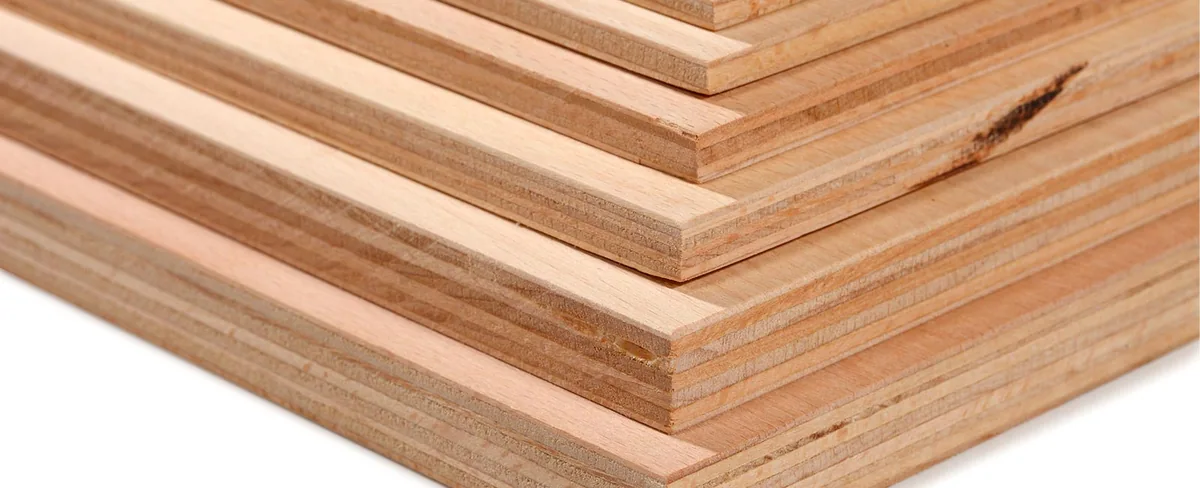
A useful sample reproduces the detail that decides fit: thickness beside an adjacent board, a joint profile, a hole position or a prepared cut edge. Keep the sample’s board reference and drawing revision with the repair list, then review it alongside the owner-required technical records.
Carry the board identity into the delivery records
Agree manufacturer, factory location, product reference and manufacturing date or batch fields as required by the repair specification. COA’s guidance calls for permanent longitudinal-edge marking with these identity fields. Match the physical mark to the packing list and relevant test report before releasing stock for use.
| Field | What to record | How the team uses it |
|---|---|---|
| Container | Owner, type and repair reference | Locates the accepted floor and repair detail |
| Board | Product code, construction and treatment | Matches the purchased board to the repair requirement |
| Parts | Thickness, sizes, quantity and tolerances | Checks fit and identifies each replacement position |
| Evidence | Required floor and bond tests | Organises the owner’s acceptance records |
| Marking | Maker, site, date or lot and pack code | Tracks installed parts and retained stock |
For repeat depot orders, retain a clear marking photograph and a labelled reference sample. If replacement parts from several constructions arrive together, separate their pack and part codes so similar-looking pieces remain easy to identify.
Check the delivery before cutting and installation
On receipt, compare the pack count and part codes with the order, then check dimensions, edge marks, visible core condition, face damage and treatment documents. Record the lot and take photographs of any discrepancy while the boards remain identifiable. Set aside pieces needing review and keep the agreed replacement route with the delivery record.
Use the accepted sample or drawing to review a representative piece before the cutting batch begins. Check whether later holes or cut edges need treatment or sealing under the repair procedure. Store the boards flat with appropriate support and protection so the dimensions and faces remain ready for fitting.
Coordinate delivered parts with the repair team
Keep the approved fixing, support, joint and orientation details with the part list. Identify the operations completed at the factory and those the depot will perform, including final cuts, drilling, sealing and installation. This makes the quotation easier to compare and helps the repair crew prepare the correct tools and materials.
The responsible repair organisation follows the accepted procedure, reviews the understructure and fastening condition, and records the installed board identity in the container file. We help organise the supplied panel and processing around that procedure; the owner’s repair requirements govern the complete installed floor.
Compare marine plywood against the floor specification
BS 1088:2018 addresses marine plywood for craft and waterways. A container floor requirement also considers concentrated loads, wear, treatment and the installed floor arrangement. When a marine plywood option is proposed, compare these fields with the existing accepted floorboard reference and obtain the owner’s decision on the replacement.
Retain the exact construction and its relevant documents for either option. Our production-control guide explains how veneer preparation, bonding and finished-board checks support a repeatable container-floor order.
Send your repair list for a factory quote
Use our enquiry form to share photos, the available owner reference, part sizes, quantities and destination. Add the drawing, treatment, test and marking requirements as the repair brief develops. We can help organise full boards or processed replacements into a quotation with the supplied work clearly listed.
Separate installed quantities, spare parts and sample pieces so the depot receives the right mix. For repeat stock, state expected size groups and delivery timing, and retain the same board, drawing and sample references for future orders.
Replacement questions
What should I compare besides a 28 mm thickness?
Match the board reference, layup, bond, treatment, face and owner-required floor behaviour. Confirm dimensions and tolerances for the actual replacement position and its support detail.
Can I start with photos of a damaged board?
Yes. Include the face, underside, layered edge and markings, plus known dimensions. We help develop the replacement brief and connect it with the owner’s repair specification.
How do a board report and the completed repair relate?
The board report covers its identified product and test scope. The repair team also follows the owner’s installation and acceptance requirements for the completed floor, retaining both sets of records.