
Our veneered MDF gives cabinet fronts, furniture and interior panels a real wood face on MDF made in our own factory. Choose oak, walnut or another natural veneer, then coordinate the grain, reverse, edges and finish around the completed part. We supply sheets and processed components for your production plan.
Bring the furniture idea, a wood-finish photo or an existing drawing. We help develop the face selection and matching, then make the edge and routed details part of a useful sample.
Oak veneer MDF Walnut veneer MDF Natural veneer MDF
Choose the wood face and MDF grade
The veneer creates the wood appearance; the MDF provides the substrate for machining and assembly. Choose both together, keeping the core grade and relevant evidence with the selected species, finish and intended room conditions.
For MDF specified under European standards, EN 622-5 covers requirements for dry-process boards. Identify the appropriate product type and use requirements rather than treating “MDF” as one performance level.
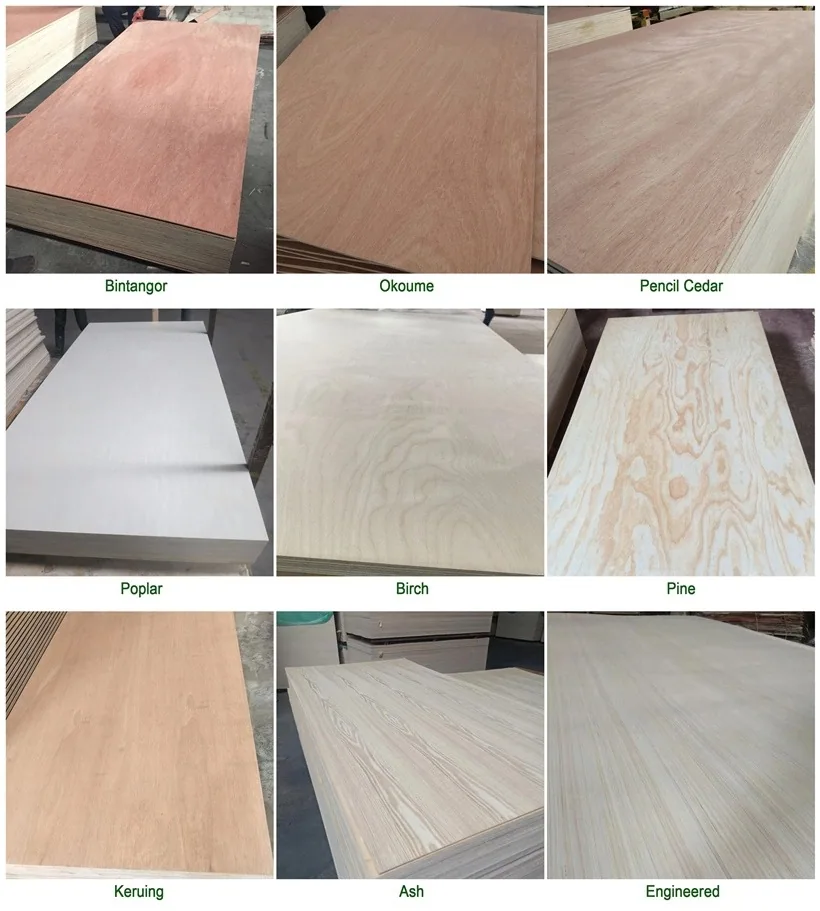
Our natural veneer MDF includes oak, ash, cherry, beech and walnut faces. Choose the supplied thickness, sheet size and face layout around the component. For a large elevation, develop the matched veneer arrangement with the usable sheet format.
Match veneered MDF to your furniture part
| Component | Why consider MDF | What must be detailed |
|---|---|---|
| Flat cabinet front | A smooth substrate beneath the veneer | Face sequence, backing, flatness and hinge loading |
| Decorative wall panel | A consistent surface for a coordinated face | Panel joints, support, weight and installation requirements |
| Desk modesty panel | A broad decorative face with defined edges | Edge finish and attachment to the desk frame |
| Profiled furniture part | A core that can be machined for a planned finish | Where routing exposes fibreboard and how it will be covered |
| Shelf | A decorative surface coordinated with the cabinet | Span, load, supports, edge and deflection assessment |
Plan neighbouring faces and the reverse
Show which parts need to match and where the grain should run. A set of four doors can require more coordination than four unrelated panels. Mark the parts on an elevation and include any exposed returns or end panels in the visual group.
The European Panel Federation's veneering guidance discusses face and back balance and substrate preparation. A less decorative back still needs an appropriate construction; it is not simply an optional omission because the customer normally sees only the front.
Plan the wood finish around routed details
A flat veneered sheet does not have wood grain running through its thickness. A groove, deep rebate or moulded edge can cut through the decorative layer and expose MDF. If the design expects continuous visible wood around that shape, establish how it will be made before choosing a flat faced board.
We can develop a separately edged flat component, a profile prepared for wrapping or another agreed construction. Choose the route around the exposed surfaces: a veneer on the original flat face does not cover a profile cut through it later.
For an integrated handle, draw the finished section and identify every visible surface. Include the edge colour and texture under the intended coating. A small section sample can reveal a mismatch that is not apparent on a front elevation.
Choose edges that work with the face
Veneer edging, solid timber lipping and painted MDF edges produce different appearances and machining sequences. A matching species alone does not guarantee the same colour after staining. Review the face and edge together in the intended finish.
For solid lipping, agree its dimensions, attachment and whether machining occurs before or after facing. For thin edging, consider the corner profile and wear exposure. Include the underside of shelves and the inside of handles, where an unfinished fibreboard edge may otherwise remain visible.
Edges near cleaning water need a suitable detail, but edge treatment does not turn a standard interior panel into a wet-area system. Identify openings and hardware holes as well as the external perimeter.
Match fittings to the core and finished weight
Hinges, connectors and runners need attachment details suitable for MDF. Use the fitting manufacturer's instructions for the proposed material and verify the drilled part. A decorative veneer does not improve a poorly located or over-tightened screw connection.
EPF's screwing guidance addresses screw geometry, position and pilot holes, and explains why comparisons require the same screw and test method. Do not transfer a generic pull-out number to a different fitting or edge distance.
For a large door, calculate the completed weight including veneer, coating and hardware, and check the hinge system's requirements. A change in panel size can require a different fitting arrangement even if the core specification remains unchanged.
Protect and finish the veneer during fabrication
Protect the thin face during machining and preparation. Trial stain and clear coat on representative faces and edges, then assess colour, sheen and repair visibility. Repeated sanding can remove a decorative face; confirm the intended preparation instead of specifying an aggressive universal sanding sequence.
Machining MDF and veneer generates dust. HSE's woodworking guidance calls for extraction at the machine and suitable cleaning methods. A coated face does not remove the need for dust control when a component is cut or routed.
For the finished panel, specify the emission method and documents for the supplied construction alongside the face and coating. That requirement is considered separately from workshop dust extraction.
Choose the construction for the room
For a dry interior, suitable storage and installation help preserve the panel condition. For a kitchen or bathroom component, describe whether it is away from splash, beside plumbing or subject to recurring wetting. Confirm the required core, finish and assembly details for that exposure.
Standard veneered MDF should not be selected for exterior service simply because it has a wood face or a sealant. Persistent leaks also require correction rather than relying on a higher moisture-resistance label. Where the service is demanding, compare an appropriately specified alternative construction.
Develop the panel and finished section together
Start through our enquiry form with a furniture idea, veneer photo or the sizes you know. We help choose the MDF, face and reverse, then develop matching, edges and machining. Add a section for routed or lipped parts as the design develops, with quantity and destination for the quotation.
Veneered MDF buying questions
Can several doors form one matched wood layout?
Yes. Show the complete elevation, grain direction and visible ends. We help develop the face group and keep part positions identified through cutting and packing.
Will a routed handle still show wood grain?
Routing through the face exposes MDF. Show the handle section and we help choose an edge, wrap or separate finish that gives the visible contour you want.
Can both sides have a visible wood face?
Yes. Specify the reverse appearance and finish with the front. Use an appropriate balancing reverse where it stays concealed, and include both surfaces in the sample and order.