
Compare three-layer and multi-ply engineered wood flooring by the surface you will see and the complete construction beneath it. Wear layer, core, joint, installation and maintenance influence the choice. Start with a room photo or preferred timber look, then identify whether you need a finished flooring product, plywood substrate or another sheet component. Our factory can help develop the panel construction and sample around that role.
Three-ply panels Birch plywood Decorative plywood
Identify the floor or sheet component you are choosing
Engineered wood flooring has a real-wood top layer over a supporting construction and is supplied for use as a finished floor. A three-layer version commonly combines a top layer, a crosswise core and a backing; another construction may use several plywood core veneers.
EN 13489 concerns multi-layer parquet elements for interior flooring. In this context, multi-layer is a broad term that also includes three-layer constructions; it does not necessarily mean a particular high ply count.
EN 13353 concerns solid wood panels, a different product category. Our three-ply panel range offers a starting point for sheet components; a finished click-floor system has its own joint, surface and installation specification.
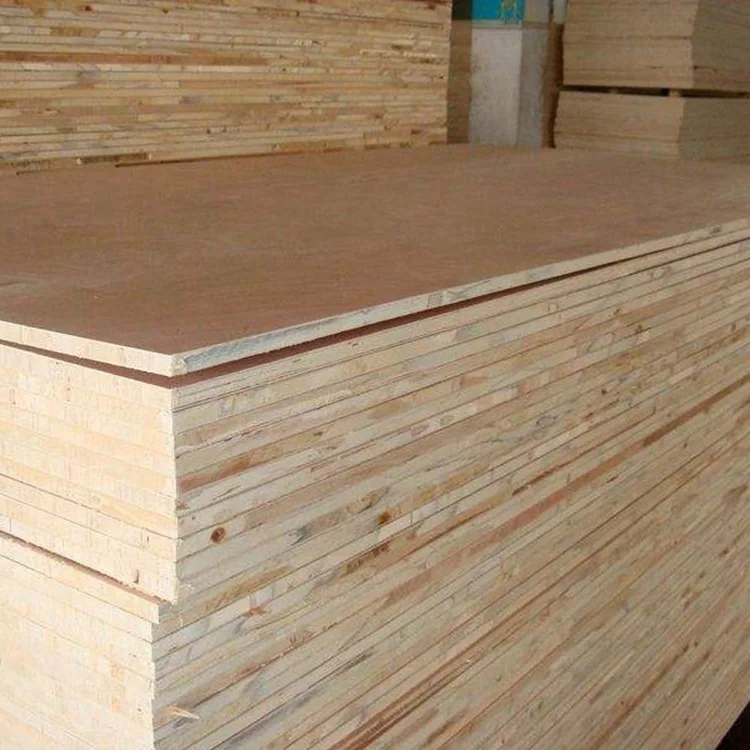
Choose the visible wood surface and wear layer
Request the top-layer species, construction and finished thickness from each flooring supplier. A thick overall board can still have a relatively thin decorative layer; a thinner board can have a different allocation of material between surface and core.
Do not assume every three-layer floor has a top layer above a fixed thickness or that every plywood-core floor has a thin rotary-cut face. Specify the actual product. Sawn, sliced and peeled faces should be identified where their appearance matters.
Ask what refinishing the manufacturer permits. The amount that can be removed depends on the remaining wood above joints and other construction details, previous wear and the finishing method. Layer count does not provide a guaranteed number of future sanding cycles.
Read the whole cross-section and its intended function
| Detail | Three-layer construction | Multi-ply plywood-core construction |
|---|---|---|
| Top layer | Confirm species and finished thickness | Confirm species and finished thickness |
| Supporting core | Identify core material and orientation | Identify veneer construction and orientation |
| Backing | Confirm material and balancing design | Confirm whether separate or part of the core |
| Performance | Use evidence for the finished flooring | Use evidence for the finished flooring |
The wood species, layer thicknesses, moisture conditions and bonding all matter to the assembly. More veneers do not automatically mean a stronger or more stable floor, and fewer layers do not guarantee a better product.
Treat the joint and installation method as separate features
Inspect the specified joint profile and read the installation instructions. Do not assume that only three-layer floors can have locking joints or that every plywood-core floor must use glued tongue-and-groove joints.
Follow the selected engineered-flooring system’s joint and installation instructions. Layer count alone does not determine whether a product should float or be glued down.
Keep joint adhesive separate from full-surface adhesive beneath the floor. A click joint does not establish whether a particular installation will use adhesive below it. If later disassembly matters, confirm the permitted removal method and the condition required for reusing boards.
Check heating compatibility for the complete assembly
Compatibility with underfloor heating depends on the named flooring product, species, installation system and manufacturer's instructions. A three-layer description alone cannot establish suitability for every heating system.
Ask for the permitted heating type and operating limits, subfloor preparation requirements and commissioning procedure. For a floating floor, include the selected underlay; for a bonded floor, identify the adhesive system. Review the combined thermal resistance against the heating design.
Also confirm the moisture-assessment method and conditions required before installation. Do not transfer a substrate moisture limit or heating schedule from an unrelated floor. Our floor installation and adhesive guide helps separate these decisions.
Use finished-product evidence for emissions
Counting glue lines does not measure the adhesive mass, its chemistry, curing or emissions from a finished floor. A three-layer floor cannot be declared lower-emitting solely because it contains fewer interfaces than a plywood-core construction.
ISO 12460-1 defines a chamber method for formaldehyde release from wood-based panels. A raw-core result under a panel method should be distinguished from evidence required for the finished flooring and its applied finish.
Request the applicable product evidence and installation-product documentation for the destination and project. Keep sourcing claims, emissions and life-cycle information separate. A glue-free floating installation does not mean that the manufactured flooring contains no adhesive.
Compare installed cost, use and maintenance
The comparison should include the flooring, preparation, underlay or adhesive, trims, installation labour and expected maintenance. A lower material price may leave different work to complete; a thicker product may also affect door clearances and transitions.
Use a sample assembly to check appearance, joint fit and the intended finish. Discuss repair of a local scratch separately from replacement of a damaged board. Neither repair is guaranteed to be invisible simply because the top surface is real wood.
Record the maintenance instructions and the availability of matching replacement material. Natural wood can change in appearance with use and exposure, so a stored spare board may still differ from an installed floor later.
Bring the floor idea and panel detail together
For finished flooring, request the exact product construction, top layer, joint, finish, installation instructions and relevant performance evidence from the flooring supplier. A three-layer versus multi-ply comparison should use those details side by side.
For a plywood substrate or other panel component, start with its role in the room and a sketch or reference sample. We help develop the construction, dimensions, support or bonding arrangement, quantity and relevant evidence, with the finished flooring scope identified separately.
Discuss the plywood or three-ply panels required for your project. We can review that panel requirement while keeping the finished flooring system and its installation responsibilities clearly identified.
Practical buying questions
Can I compare the constructions from a sample?
A sample helps compare the top surface, core, joint and finish. Read the named product's installation and performance information alongside it before choosing the complete floor.
What should I send for a plywood substrate enquiry?
Start with a sketch showing where the plywood sits in the floor and its support or bonding arrangement. Add sizes, quantity and project criteria as the design develops.