
Melamine, PVC foil, paint and real wood veneer give furniture different looks and finishing options. Melamine suits repeatable flat parts, PVC foil follows profiled MDF, paint offers custom colour and shape, and veneer brings natural grain. Our factory makes MDF and plywood substrates for these panel projects. Share a furniture photo or finish idea and we can help choose the construction and sample.
Melamine MDF Raw MDF for painted or wrapped profiles Oak veneered MDF Oak veneer plywood Melamine colour catalogue
Choose by furniture shape and finish
A flat carcass side, a routed door and a curved display element call for different finishing routes. Record substrate, dimensions, exposed edges, door profile, wetting near sinks, expected wear and matching across an order. Also decide whether the surface is required on one or both sides. A face-only quote can appear attractive while leaving balancing and reverse-face work undefined.
Melamine-faced board for repeatable flat components
Resin-impregnated decorative paper is pressed onto a board to make a factory-faced surface. EN 14322:2021 addresses interior melamine-faced boards, including their surface requirements and tolerances. It is a strong option to examine for flat doors and carcasses where repeatable décor and cleanability matter. Cut edges still need banding or finishing, and a face is not a waterproof core.
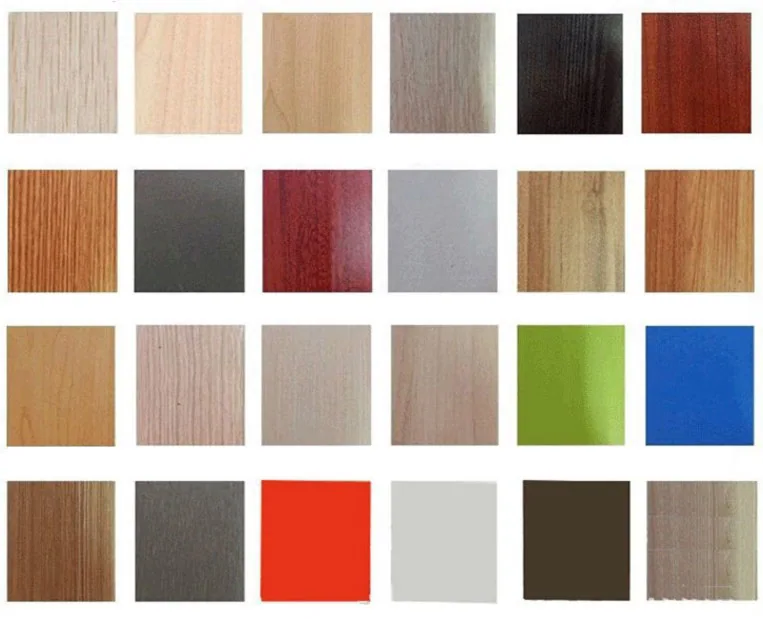
PVC foil for profiled MDF doors
The European Panel Federation describes membrane pressing of PVC foil over pre-machined MDF profiles. Heated foil can follow small-radius edges and grooves, making it useful for a routed door appearance. Check adhesive coverage in corners, edge wrapping, reverse-face balance and heat exposure near appliances. A sample should include the actual profile, not just a flat colour chip. Foil and its adhesive are distinct from a melamine-faced board.
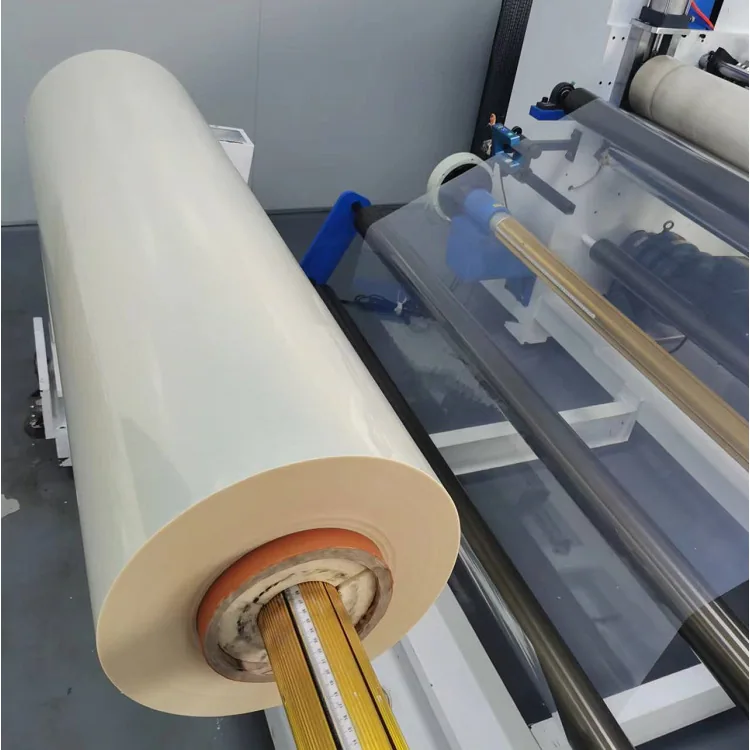
Painted MDF for custom colour and shape
Paint can cover a profiled MDF door and give a chosen matt or gloss finish. EPF notes that MDF edges absorb finishes differently from faces, so edge preparation and primer matter to a uniform result. Specify paint system, colour standard, sheen, substrate, cure and sample acceptance. It may be repairable in some systems, but repairs can remain visible; do not promise every scratch is invisible or every white paint will yellow.
Real wood veneer for genuine grain
A wood veneer is a thin layer of real wood bonded over plywood or MDF, then finished. It carries natural grain variation that printed melamine may imitate but not duplicate. The chosen species, cut and matching pattern matter at least as much as the finish colour. The US Forest Service finishing chapter explains why appearance, protection and maintenance must all be considered. Confirm face/back balance, veneer thickness and approved sample; a clear coat changes colour and still needs care.
| Finish | Useful strength | Detail to inspect |
|---|---|---|
| Melamine paper | Repeatable factory décor | Décor match, edge banding, core |
| PVC membrane foil | Wraps profiled MDF | Groove and edge adhesion, heat |
| Painted MDF | Custom colour and routed detail | Edge primer, sheen, repair plan |
| Real wood veneer | Natural grain | Species, matching, finish trial |
Where HPL fits
High-pressure laminate is another option, particularly where a project specifies its surface class and composite construction. EN 438-3 addresses HPL sheets for bonding to substrates; the finished composite has its own adhesive and edge design. HPL is not simply a thicker version of melamine paper. Include it in a bid comparison when the design calls for it, rather than silently substitute it for one of the four listed routes.
Price the complete component
Compare substrate, face and back, machining, edging, coating or lamination, sample work and packing. A flat melamine carcass and a routed veneered door are different products. The relative cost changes with species, order volume, profile and finish. Ask for a dated quote on the same drawing and acceptance criteria.
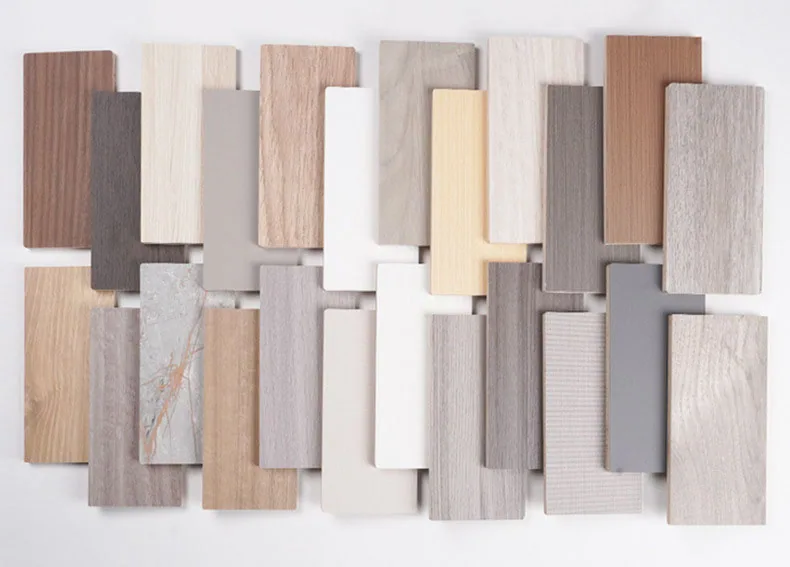
Find the finish for your furniture
Send a furniture photo, sketch or finish reference through our enquiry form. Add any available dimensions, quantities and destination; we can help develop the profile, core and edge choices. Explore our melamine MDF, veneered MDF and decorative plywood, or use the veneer plywood guide for the natural-wood route.
Furniture-finish questions
Can you help choose a finish from a furniture photo?
Yes. Send the photo and tell us which colour, grain or profile you like. We can compare practical panel constructions and suggest a sample detail.
Can I compare two finishes before ordering?
Yes. Tell us the options you are considering and the part you want to make. We can plan samples that show the relevant face, edge and profile.
Is “melamine veneer” real wood veneer?
No. Melamine-faced board uses decorative paper; wood veneer is real wood.
Can any finish make a dry-use core suitable for a wet room?
No. Core grade, edges, joints and moisture control remain separate requirements.
Is there a universal price order for the four finishes?
No. Compare defined constructions and quantities on the same commercial terms.