Less weight to lift. The finished part your project needs.
Reduce the weight your team lifts, installs or moves with lightweight MDF made in our own factory in Jiangsu, China. Develop furniture fronts, removable linings and display parts around the size, finish and operating detail your project needs.
Send a drawing or the part you want to improve. We’ll help select the lightweight or ultralight MDF, prepare a useful component trial, and quote the sheets or processed parts your team needs.
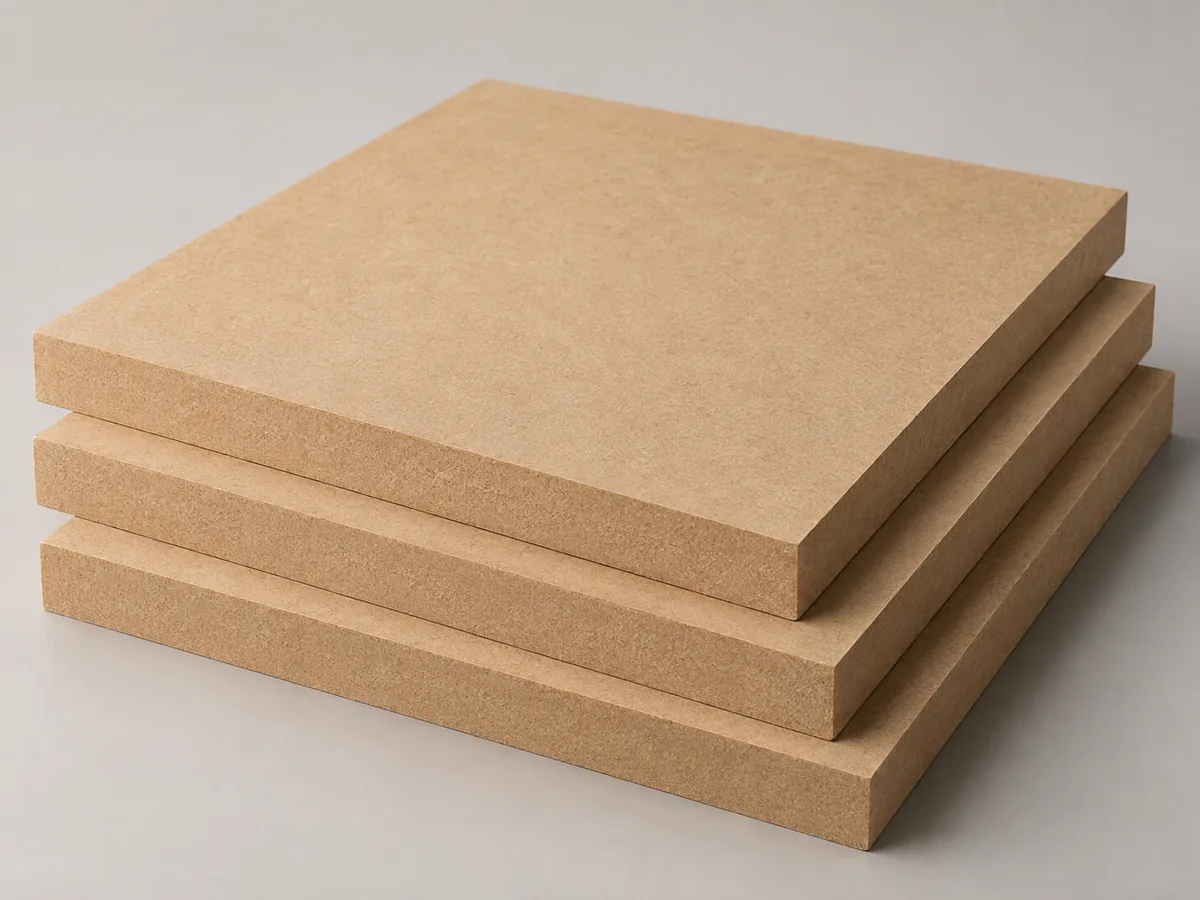
Solid MDF sheet faces with exposed fibreboard cut edges.
START WITH THE COMPLETED PART
Turn the weight target into a clear factory supply plan.
Bring the handling or operating problem with the part you want to make. Our factory team helps connect the weight target, dimensions, finish and fittings in one supply brief, with included processing clear for your workshop.
Lightweight MDF supply options
Material & weight route
Lightweight or ultralight MDF selected around the component, thickness and weight target. Keep the agreed material identity and density or mass basis with the order.
Thickness & sizes
Custom thickness, full sheets, cut blanks or finished part dimensions to your schedule, with the measurement stage and tolerances identified.
Machining
Cutting, routed contours, holes, recesses and edge work to drawing. Show the deepest feature and any overlapping front and reverse cuts.
Supplied surface
Raw MDF for your own processing, prepared surfaces or an agreed applied finish. Include face, reverse, edges and the finishing work your workshop will complete.
Fitting interfaces
Plan hinge cups, connectors, inserts and supporting details with the actual hardware and selected MDF; identify the parts and operations included in supply.
Component approval
A completed part for finished weight, fit, operation and appearance, with smaller sections for individual machining or finishing choices.
Repeat supply
Material reference, drawing revision, weight basis, finish and accepted part retained together, with part codes and pack grouping.
Production & shipping
Available to order with a 7–10 day production cycle. Container transport, packing and freight terms are arranged for the order.
Open the detailed component and purchasing checklist
Information to include in a lightweight MDF enquiry
Requirement
What to include
Application
Furniture front, removable lining, display or other part; environment, supporting structure and service conditions.
Current component
Existing material, dimensions, machining, finish, fittings and measured completed mass.
Weight target
Maximum finished-part mass or desired reduction; explain the handling or operating problem the change should solve.
Material & dimensions
Required MDF identity, density or mass basis, thickness and accepted limits, sheet/part dimensions and quantities.
Connections
Hinges, screws, inserts or connectors; position, embedment, support and the intended operating sequence.
Relevant material properties and emission, moisture, fire or project requirements on separate lines.
Delivery
Pack grouping, face/edge protection, unloading constraints, destination and requested sequence.
Use the selected material data and component schedule to define the supplied construction. Compare estimated board mass with the measured finished part, including its facing, fittings and support.
Bring the handling change you want to make. Our team helps develop the MDF, component details and delivered parts around the way your workshop, installer or customer will use them.
Furniture fronts
Make larger furniture fronts easier to move while keeping the appearance your customer wants. Bring hinge or lifting hardware, fixing positions and recesses into the drawing, then review the completed mass and opening motion on the proposed part.
Removable interior panels
Plan a removable lining around the maintenance access your team needs. Include carriers, retention, removal and reinstatement with the lighter panel, retaining a useful detail for handling, storage and repeated access.
Repeat-use displays
Develop display parts around the assembly, dismantling and packing sequence. Review connectors and edges through that use, choosing the finish, delivery groups and part identification needed for later installations.
For a broad front, review stiffness, stability and hardware alongside the weight target. Choose thickness, spans, supports and connection zones using the selected material data and representative part; density describes mass per volume rather than a direct scale for mechanical properties.
For ceilings or overhead linings, keep retention and support with the finished installation assessment. Include removal, storage and reinstatement where panels are serviced regularly, with those operations represented in the component trial.
REDUCED DENSITY, DEFINED CONSTRUCTION
Choose the MDF construction your part needs.
Choose lightweight or ultralight MDF around the part you need to make. Develop the selected reduced-density material and thickness with our team, keeping its declared or measured properties with the supplied configuration.
Reduced-density MDF
Choose reduced-density MDF for a lower-mass substrate at the same nominal volume. Develop the actual thickness, connection, profile and finish around the completed part, then retain a useful trial for the production order.
A thinner MDF part
For a thinner part, review the reduced volume alongside fitting space, remaining material and support. Compare that finished design as its own route, keeping ordinary thin MDF and a selected lightweight grade identified separately.
A hollow or sandwich part
For a hollow or sandwich component, bring the skins, core, frame and local reinforcement into the brief. Plan attachment zones and the completed mass with that assembly, using its own construction and material records.
Order solid lightweight MDF as sheets or processed components from our factory. Match the selected board and thickness to the weight target, then carry the chosen material through machining, finishing and the completed-part trial. For a hollow or sandwich design, define its core, skins and support as a separate construction.
Bring any waterproof, humid-space, fireproof, emissions or load requirement into the same enquiry. Choose the MDF and complete construction for the intended furniture, lining or overhead use, keeping each required property with its relevant material or assembly documents.
Plan the weight that will move with the part, including its finish, edging, fittings and attached support. Use the same component drawing and operating state to compare your current part with the proposed lighter construction.
Start with consistent units.
For a rectangular bare blank, estimated mass is length × width × thickness × an appropriate density. Use metres with kg/m³. Identify whether dimensions and density are nominal, declared or measured, and record the condition in which they apply.
For the same blank dimensions, compare the density of the proposed MDF constructions using mass = volume × density. Record the chosen thickness and material identity with the estimate, then add the items that remain in the finished part.
Machining removes material; coating and assembly add it. An average-density calculation gives a planning estimate, particularly where cuts pass through different parts of the MDF thickness. Weigh the actual completed part for the final comparison.
Read the reduction at the finished stage.
Finished-part reduction (%) = (current completed mass − proposed completed mass) ÷ current completed mass × 100. Compare the same supplied or operating condition, including any changed support, fittings or finish.
Build the finished-weight comparison
Stage
Record for each option
Bare substrate
Actual dimensions, density basis and material removed by machining.
Permanent additions
Face, reverse, adhesive, edging and coatings.
Fittings and support
Hinges, connectors and any additional reinforcement.
Completed part
Measured mass in the agreed condition and the required fit or operation.
Work back from your maximum finished weight by subtracting the fittings, finish and support. Share that remaining substrate-weight allowance with the drawing so we can help select a suitable lightweight MDF construction.
Keep the mass, actual dimensions and weighing condition together. Use nominal dimensions and declared density for an early estimate, then retain measured specimen or completed-part results as their own records, with moisture and conditioning identified.
Open the specimen-density and actual-thickness calculation
For this density worksheet, use a specimen measuring 100 × 100 × 18.2 mm with a mass input of 100.1 g: density is 100.1 × 1,000,000 ÷ 182,000 = 550 kg/m³. Replacing the measured thickness with a nominal 18 mm would give 556.1 kg/m³. Using the actual thickness keeps the volume and density calculation on the same basis.
Choose the applicable density method and specimen procedure where a standard result is required. Keep laboratory density and whole-sheet handling checks in their own roles, recording scale resolution, actual dimensions, material identity and weighing condition for useful comparisons.
Choose the finished object named in the weight target, including its attached hinges, frame and finish. Identify fittings shipped separately, then keep the same weighing basis through the completed trial and receiving check.
Develop the fittings, profile and finished surface together.
Bring the actual fitting and deepest profile into the completed-part trial. Our team helps plan the machining and finish around those demanding details, so the sample addresses the component your workshop will produce or assemble.
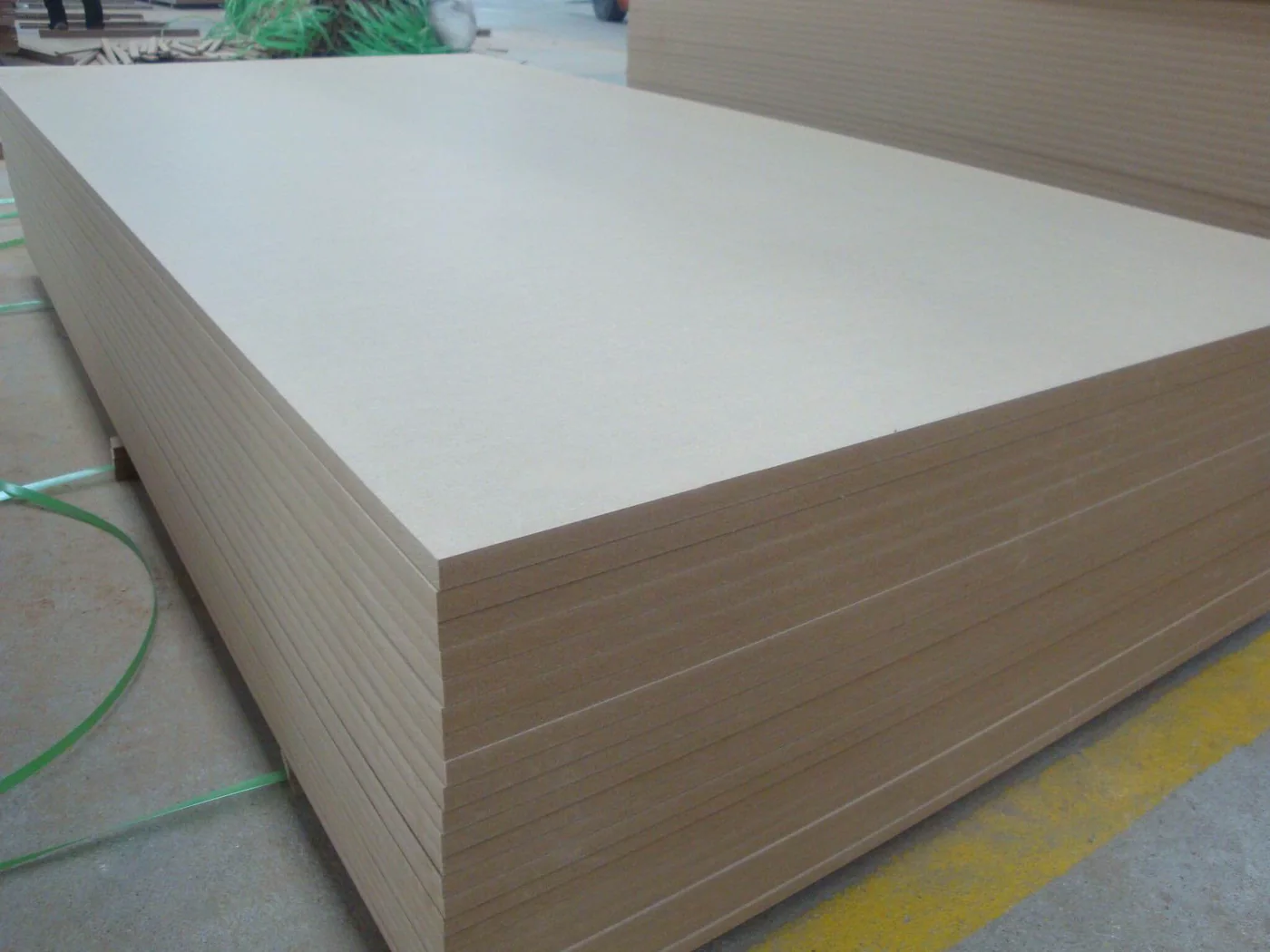
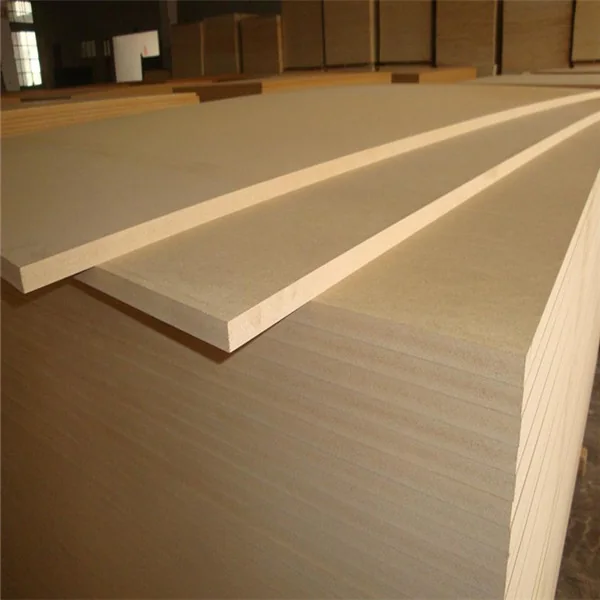
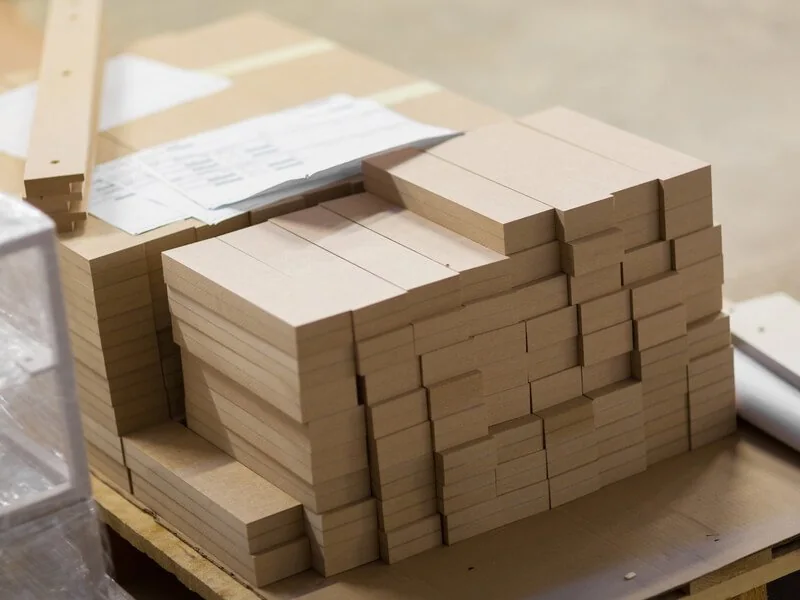
Unfaced MDF sheet faces and cut edges.Plain MDF surface and exposed fibreboard cut edge.Cut-to-size MDF panels with exposed fibreboard edges.
Test the connection as it will be assembled.
Locate screws, pilot holes, inserts and hinges with their embedment and installation method on the drawing. Include nearby edge cuts and recesses, reviewing face, edge and narrow-section connections as the actual details being used.
Review initial fitting and later operation as separate stages. Include removal and refitting where connectors are reused, with moving-front hardware, adjustments and operating checks developed with the fitting supplier or component designer.
The European Panel Federation’s screw-fixing guidance identifies screw type, preparation and test method as factors in meaningful comparisons. General MDF withdrawal results cannot be transferred to a different lightweight material and connection.
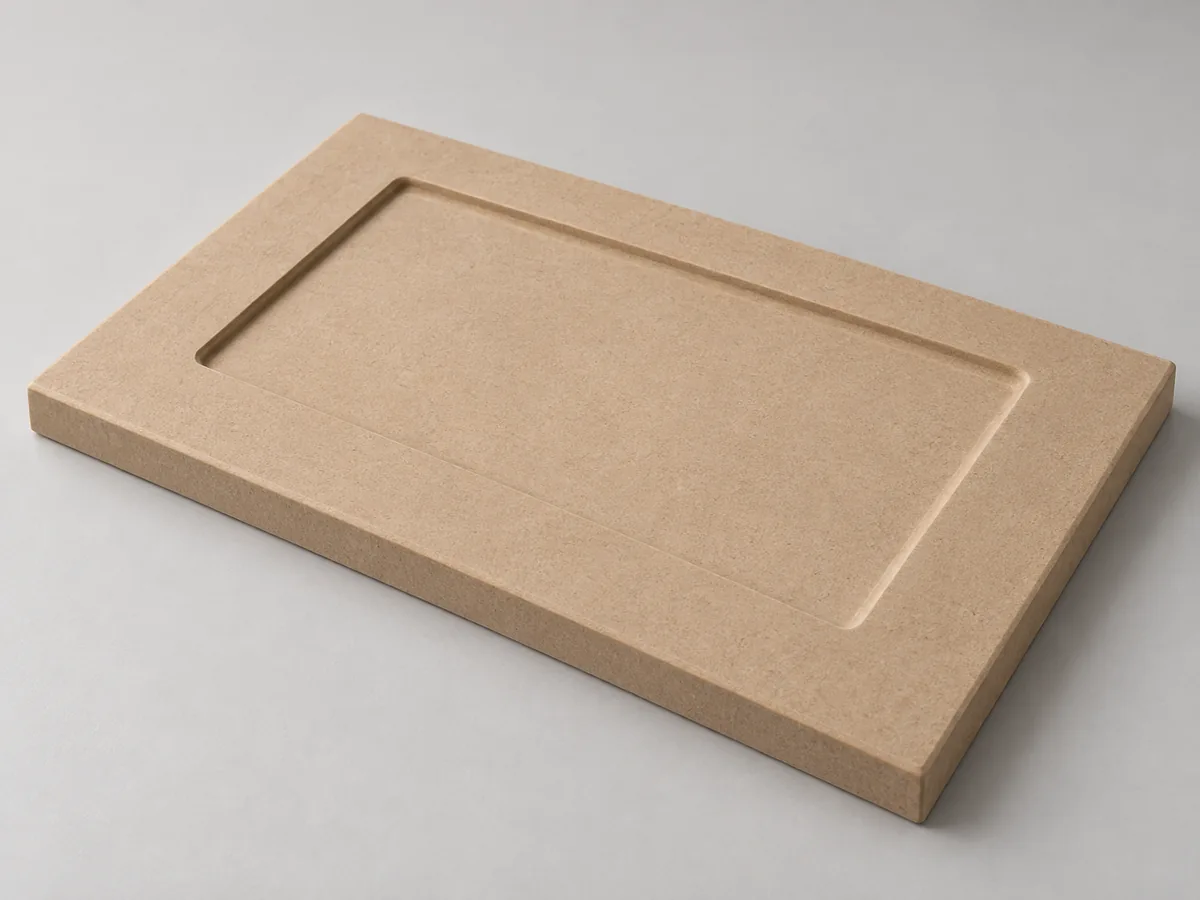
MDF furniture front with a shallow routed recess and intact border.
Bring the contour into the component brief.
Use the furniture-front view to locate the shallow recess, intact border and material behind the profile. Bring the deepest cut and reverse operations into the same drawing, then develop the selected MDF through the machining and finish sequence.
Keep the chosen material data, completed weight and fitting assessment with the actual part. Use the contour view to discuss the shape, retaining density and performance requirements in their own component records.
Carry the routed detail through the finish.
Make the profile trial around its deepest recess, narrow retained section and representative edge. Review cut fibres, tool marks and contour definition, then choose the sanding, sealing and coating needed to reach the finished appearance.
Trial the intended routed profile and coating together on the selected lightweight MDF. Agree the completed edge appearance as part of the finished component.
Face, reverse, cut edge and profile can require different finishing preparation. The European Panel Federation’s edge-finishing guidance explains the role of a clean machined surface and suitable preparation. Use the intended finish system on the actual part and agree the delivered stage.
Define both surfaces and the remaining work.
Choose facing and reverse materials, adhesive and pressing sequence for a veneered or laminated part. Review flatness and fit after that process; for paint, include exposed edges, recess bottoms and the preparation your workshop will receive.
Choose sheets or processed components around the work you want included. Keep cutting, routing, priming, facing, edging and hardware installation in the quotation, with remaining workshop operations alongside the selected finish and material saving.
Bring the hardware, cup or recess dimensions, fixing positions and intended opening motion. Include any changes to fittings or support in the completed mass.
Removable panels
Include carriers, retention and grip or access details. Review removing, storing and refitting the panel with its intended finish.
Routed surfaces
Use the deepest profile and narrowest retained sections to review the machined edge, sealer and completed coating.
Facings & edges
Identify face and reverse layers, adhesive, edging and coatings, with flatness, appearance and finished dimensions checked after processing.
Repeat-use displays
Include repeated assembly, connector access, edge protection and part identification in the trial and delivery brief.
A PART YOUR TEAM CAN APPROVE
Make a finished-part trial your team can approve.
Plan a completed part where its size, support or hardware determines the result. Use smaller sections for specific machining or surface choices, then bring those selections into the full component needed to review operation and fit.
01
Record the current part
Bring the current drawing, MDF, finish, fittings and completed weight, with the handling or operating change you want.
02
Build the proposed detail
Develop the selected MDF, machining and connections, including revised thickness or support where chosen.
03
Complete the finish
Complete the facing, coating and edges, then review appearance, flatness and fit with the intended support.
04
Weigh and operate it
Weigh the finished object and review its operating requirements, retaining the chosen part, drawing and material identity.
Choose the weighed object, equipment and condition with accepted fit, appearance and operation limits. Keep bare-board density and completed-part weight as separate records, reviewing affected checks when a profile, adhesive, fitting or material changes.
Carry the selected MDF, thickness, drawing, processing and finish into repeat orders. Retain the accepted component as the reference, identifying any material or part changes before developing the next production brief.
Compare the complete parts your workshop will receive.
Compare quotations for the same delivered dimensions and chosen finish. Include usable cutting yield, trial pieces, processing, fittings, support, inspection and packing, so the comparison follows the complete parts your team can use.
Lines to keep in a comparable quotation
Cost or requirement
Comparison basis
Board & cut yield
Usable formats, part sizes, kerf, trim, finish direction and accepted part quantities.
Machining & finish
Included cuts, profile preparation, face/reverse process, edges and remaining workshop labour.
Connections & support
Changed hardware, inserts, local reinforcement or supporting pieces included in the finished mass.
Approval & evidence
Completed trial, relevant material data, inspection basis and project documents.
Compare the complete supply cost per accepted component, with trial, spare and production quantities identified separately. For mixed-size installation sets, keep the matched parts and delivered sets as the purchasing basis.
EVIDENCE FOR THE SAME CONFIGURATION
Take the material, drawing and trial into one order.
Choose the material records for the actual lightweight MDF and thickness in the offer. Keep density or mass basis, relevant mechanical properties, methods and intended use with that product, rather than assigning data from a commercial name or ordinary MDF sheet.
Use substrate documents for their stated properties and the completed trial for machining, finish, fit and operation. Where your project needs finished-assembly evidence, identify its facing, adhesive, hardware and mounting in the corresponding construction.
Connect the selected MDF record to the material and batch reference, the completed trial to its drawing and fittings, and production or dispatch records to the same part codes. For receiving or repeat orders, retain the actual weighing condition alongside the accepted component.
PACKED WEIGHT & ARRIVAL
Receive protected parts in useful delivery groups.
Estimate bare-sheet mass from the ordered dimensions and selected density, then multiply by the pack quantity. Add pallets, bearers, wrapping and protective materials to obtain gross shipment weight. Keep the confirmed pack dimensions and weighing record with your handling and unloading plan.
Open the complete pack-weight and shipping-volume calculation
Use the following inputs to compare two packs in this shipping-weight worksheet. For your quotation, replace them with the ordered sheet dimensions, selected MDF data, pack quantity and actual packing details.
Shipping-weight worksheet: two packs with the same outer size
Sheet dimensions
1,220 × 2,440 × 18 mm = 1.22 × 2.44 × 0.018 m.
Sheet volume
1.22 × 2.44 × 0.018 = 0.0535824 m³ per sheet.
Pack quantity
20 sheets per pack; 20 × 0.0535824 = 1.071648 m³ of board.
Density inputs
750 kg/m³ and 550 kg/m³ for the two packs in this calculation.
853.736 kg and 639.406 kg, rounded to three decimal places.
External pack volume
1.30 × 2.50 × 0.45 = 1.4625 m³ per pack. The two packs occupy the same space.
Compare gross weight, outer volume and the delivery service together. Keep a reduction in substrate mass separate from the freight terms agreed for the actual shipment.
Plan freight and unloading from the actual external pack sizes, gross mass and agreed service to your destination. Keep those figures with the delivered order, separating a substrate weight change from any transport saving under that service.
Choose supported packing, face and edge protection and useful part groups with our team. Keep mixed sizes and mirrored parts identifiable away from visible surfaces, with unloading constraints and receiving sequence in the delivery plan.
At receiving, compare part identity, dimensions, weight basis and surface with the chosen order reference. Keep the MDF and drawing revision with that check so the delivered parts follow the process and assembly your workshop expects.
Lightweight MDF is available to order with a 7–10 day production cycle. Agree the material, part drawing and delivered stage with the order, then arrange container transport and the loading plan. Freight terms follow the specific shipment; sea transit is separate from production.
The order includes a 180-day warranty. Contact us with the order, part and pack references and details of the issue so we can agree a return or replacement solution and freight arrangements. Keep the accepted part and finish reference for repeat supply.
BUYER QUESTIONS
Plan your lightweight MDF component order.
What is lightweight MDF?
Choose reduced-density MDF where the weight of a furniture, lining or display part matters. Our team helps develop the selected material, thickness, machining and finish around the component you want to produce.
Is ultralight MDF a fixed density or grade?
Choose the actual product identity and thickness data with our team. Lightweight and ultralight names cover purchasing routes; the material record and stated or measured mass basis define the configuration in your order.
Can you manufacture lightweight MDF for our project?
Yes. We manufacture MDF in our own factory in Jiangsu, China. Bring a drawing or current part and the weight target you know; we help develop the MDF, processing, fittings and finish for a useful completed-part trial and quotation.
How much lighter will the completed component be?
Compare the substrate at the required dimensions, then add facings, adhesive, edging, fittings and support. The finished percentage can differ from the bare-board reduction; retain the completed trial’s actual weight with the target and accepted variation.
Can I reduce weight by choosing a thinner ordinary MDF sheet?
Compare a thinner ordinary MDF component as its own design route. Review fitting space, remaining material and support at that thickness, keeping the complete part alongside the selected reduced-density alternative.
Can the lighter board replace our current MDF without changing the part?
Bring the existing drawing and finished result into the comparison. Review the proposed MDF, connections, machining and finish on the actual component, including changed thickness, support or fittings in its completed mass and supply cost.
Will our existing hinges and connectors work?
Bring your hinges or connectors with their positions, embedment and installation method. Review that fitting and the intended operation on the chosen MDF with the fitting supplier or component designer, keeping the actual connection assessment separate from the density comparison.
Can lightweight MDF be routed and painted?
Develop the required profile on the selected MDF with our team, then complete its preparation and coating. Review cut edges, recesses and narrow sections alongside the face, choosing the delivered stage and the finishing work your workshop will do.
Does lightweight also mean moisture-resistant or fire-retardant?
Bring waterproof, humid-space or fireproof requirements into the material and finished-use brief. Our team helps develop the required MDF and construction, keeping the relevant moisture and fire documents separate from the weight comparison.
How should density and component weight be verified?
Keep specimen mass, actual dimensions, conditioning and the chosen procedure with density records. For component weight, measure the defined finished object with its attached items, identifying declared data, calculations and measured results separately.
Will lower board weight reduce freight costs?
Compare the actual gross mass, external pack volume, handling and delivery service for your destination. A lighter substrate can change shipment mass while occupied space stays the same; use the complete shipping brief to estimate any freight saving.
What do you need for a comparable quotation?
Start with the drawing or current part, weight target and quantities you know. We help develop the MDF, dimensions, machining, fittings, delivered finish, useful trial and documents, then quote sheets or cut parts with packing for your destination.
How long does production take and how is the order shipped?
Production takes 7–10 days according to the order, with container shipping and freight terms arranged for your shipment. Our supply includes a 180-day warranty; any return or replacement solution and related freight are agreed for the specific order and issue.
START WITH YOUR WEIGHT TARGET
Bring your lighter-part project to our factory.
Bring the furniture, removable lining or display part you want to make lighter. Start with your drawing or current component; our factory team helps develop the MDF, machining, fittings, finished-part trial and packing, then quote the sheets or cut components your workshop needs.
Optional Google Analytics and Ads cookies measure visits and enquiries. Reject keeps these cookies off; basic cookieless measurement continues. Enquiry details are never sent to Google. Privacy details.