Marine plywood comparison
Comparing a marine plywood option? Review its construction, concentrated-load requirements, treatment and fitting details against the container’s floor specification.
Review the marine-floor distinctionPLYWOOD & MDF · CHINA

FREIGHT CONTAINER FLOORBOARDS · NEW BUILD & REPAIR
The floorboard, machining and order records your repair team needs.
Source container flooring plywood direct from our factory in Jiangsu, China. Choose full boards for new builds or drawing-specific replacement parts for repairs, with the construction, treatment and processing planned around your floor.
Start with a photo of the old board, its markings or your floor drawing. We’ll help turn that information into a board specification, cut-part schedule and factory quotation, with samples and documents for your purchasing team.
Whether you are buying full floorboards, repairing a damaged section or planning repeat depot orders, we help turn the floor requirement into a practical supply list. Start with the information you have; the board construction, processing and records can be developed with our factory team.
FULL FLOORBOARDS · MACHINED PARTS · REPEAT SUPPLY
Supply a new container line, replace damaged floor sections or stock your repair depot. We manufacture the selected plywood construction and prepare the agreed profiles, holes and sealing, so your team can compare the board and the work included in one quotation.
| Choose your supply | What we can plan with you |
|---|---|
| New-build floorboards | 28mm floorboards with a 19-ply or 21-ply construction selected around the required core, face, bond and floor specification. |
| Panel sizes | 1160 × 2400mm, 1220 × 2440mm, 636 × 2400mm and 1016 × 1388mm in the 28mm technical-sheet range; other drawn sizes quoted with the selected construction. |
| Repair and replacement parts | Finished part sizes and quantity by code, with orientation, edge profiles, holes, rebates and sealing connected to the floor drawing. |
| Core and wear face | Eucalyptus, birch or keruing layups with selected veneer or phenolic-film faces. Keep the exact core, face and bond on the order. |
| Treatment and processing | Treatment selected for the owner and destination, with the required records and later cutting or drilling instructions. |
| Other thicknesses | 19, 21, 25, 28 and 30mm options are listed in the technical sheet; quote the panel specified for the actual floor arrangement. |
The 1160 × 2400 × 28mm format is listed at 60–64kg per sheet. The loading table uses the larger 1220 × 2440mm format; retain the selected size and construction when arranging handling and dispatch.
TECHNICAL DATA · TDS-PS-30 · Rev 2.0 (Oct 2026)
Order container floorboards for new builds, replacements or repair programmes with the required edge profile and treatment. The 28mm, 1160 × 2400 mm panel below has a declared sheet weight of 60–64 kg. Keep that format separate from the larger 1220 × 2440 mm sheets in the loading table.
| Face / Back Construction | 1.5–2.0 mm Keruing/Apitong Hardwood Veneer, Selected Birch, or High-Density Phenolic Film |
|---|---|
| Core Lay-up (28 mm Standard) | 19-Ply or 21-Ply High-Density Eucalyptus / Birch / Keruing Cross-Banded Lay-up |
| Standard Container Panel Sizes | 1160 × 2400 × 28 mm, 1220 × 2440 × 28 mm, 636 × 2400 × 28 mm, 1016 × 1388 × 28 mm |
| Thickness Tolerance (28 mm) | ±0.50 mm (IICL TB 001) |
| Adhesive System | 100% Exterior Phenolic Formaldehyde Resin (WBP — 72h Boil + Dry + Boil Pass) |
| Service Class / Exposure Duty | Service Class 3 (ISO 20ft / 40ft Dry Cargo Shipping Container Floors & Heavy Trailer Decks) |
| Preservative Treatment Options | IICL Standard Insecticide (Phoxim / Cypermethrin / Meganium) or Food-Grade Untreated |
| Edge & Back Machining | CNC Shiplap (Omega/Z) Long Edges + 45° Bottom Chamfer along 2400 mm sides + Underside Waterproof Coating |
| Length & Width Tolerance (CNC Profiled) | Length/Width: +0.0 / -1.0 mm (ISO 1496-1 / IICL) |
| Squareness (Diagonal Difference) | ≤ 1.5 mm (EN 324-2) |
| Shiplap Lip & Chamfer Tolerance | ±0.30 mm (IICL Drawing) |
| Reference Standards | ISO 1496-1 (Forklift Axle Load Test), IICL TB 001, EN 310, EN 314-2 Class 3, AQIS (Australia Tailgate Option) |
| Harmonized System (HS) Code | 4412.31 / 4412.33 |
| Density, kg/m³ | 750 – 850 (Mean ≥ 780 kg/m³) Test method: EN 323 / IICL |
|---|---|
| Moisture Content at Dispatch, % | 8.0 – 12.0 (Max ≤ 13.0%) Test method: EN 322 |
| Bending Strength — Longitudinal (MOR //), MPa | ≥ 75.0 (Mean ~85 MPa) Test method: EN 310 / IICL |
| Bending Strength — Transverse (MOR T), MPa | ≥ 35.0 Test method: EN 310 / IICL |
| Modulus of Elasticity — Longitudinal (MOE //), MPa | ≥ 10,000 (Mean ~11,200 MPa) Test method: EN 310 / IICL |
| Modulus of Elasticity — Transverse (MOE T), MPa | ≥ 4,500 Test method: EN 310 / IICL |
| Forklift Wheel Axle Load Test (ISO 1496-1), kg (lbs) | ≥ 7,260 kg (16,000 lbs) over 142 cm² contact area Test method: ISO 1496-1 Annex B |
| WBP Glue Line Shear Strength (28h Cyclic Boil), MPa | ≥ 1.20 (Zero delamination) Test method: EN 314-2 Class 3 |
| Weight per 1160 × 2400 × 28 mm Panel, kg | 60.0 – 64.0 kg / sheet Test method: Gravimetric |
| Nominal Thickness | Ply Count | Area Weight | Sheet Weight (1220x2440) | Est. Load / 40HQ |
|---|---|---|---|---|
| 19 mm | 15 plies | 15.01 kg/m² | 44.7 kg | ~599 pcs |
| 21 mm | 17 plies | 16.59 kg/m² | 49.4 kg | ~542 pcs |
| 25 mm | 19 plies | 19.75 kg/m² | 58.8 kg | ~455 pcs |
| 28 mm | 21 plies | 22.12 kg/m² | 65.8 kg | ~407 pcs |
| 30 mm | 21 plies | 23.70 kg/m² | 70.6 kg | ~379 pcs |
The loading table uses 1220 × 2440 mm sheets at a 790 kg/m³ planning density and approximately 26.8 tonnes of net panels. Quantities are approximate; the selected construction, packing, container payload and route limits determine the final loading plan.
NAME THE BOARD THAT WILL BE INSTALLED
Bring us the existing floorboard reference or the new-build specification. We help plan the layer materials, orientation, bond and supplied finish for the selected construction, including any specified hybrid layers. Keep that panel reference with the floor drawing as the order develops.
For a repair, send clear photographs of the board face, underside, layered edge and any markings, along with the thickness and damaged area. These give our team a useful starting point for discussing the replacement. The owner’s board reference and repair detail can then be included in the final selection.
The Container Owners Association’s replacement-floorboard guidance connects replacement material to the original approved floor specification. Keep that owner requirement with the proposed board and verification records.
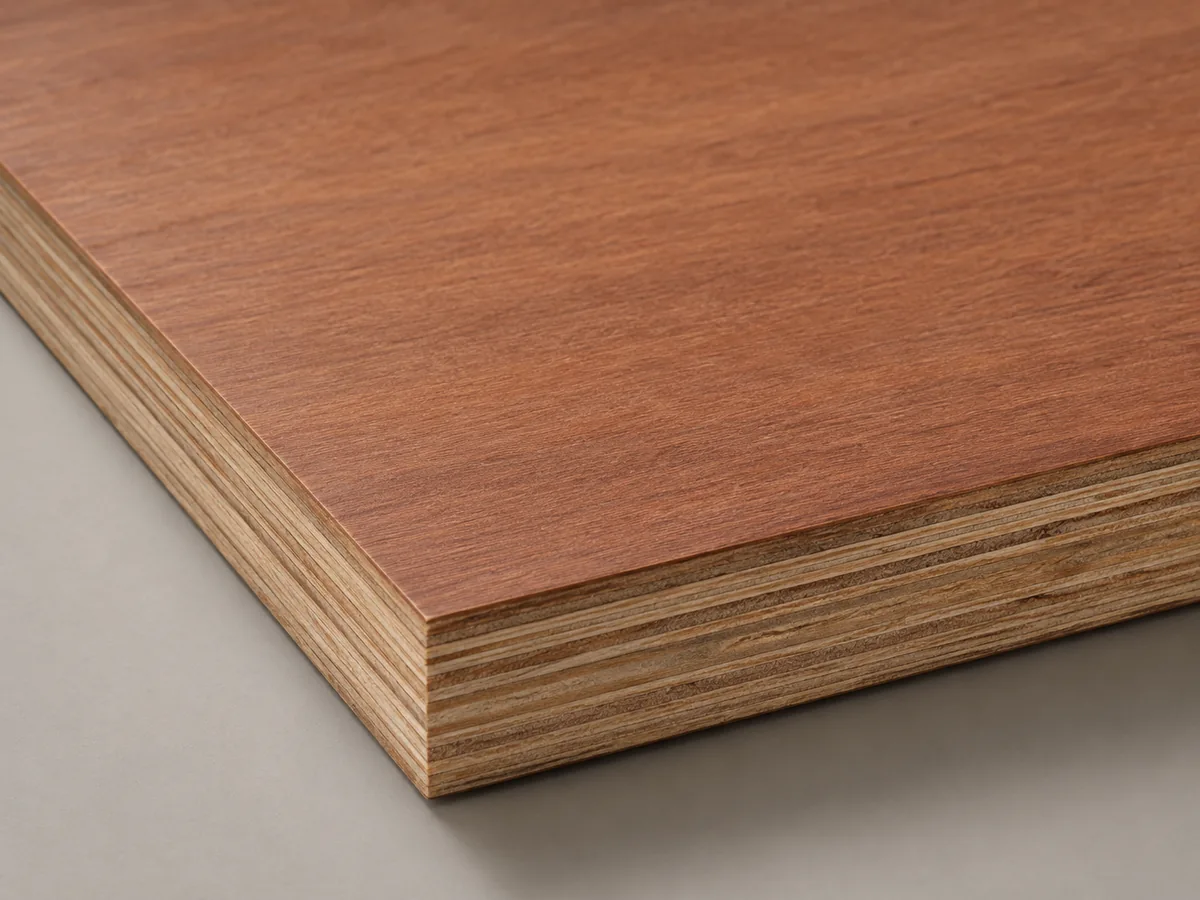
Use the cross-section to discuss the core, layup and bond alongside the top face and underside. Include the treatment, thickness and edge details in the same panel reference, so your repair team can compare the construction and the work included with the price.
Comparing a marine plywood option? Review its construction, concentrated-load requirements, treatment and fitting details against the container’s floor specification.
Review the marine-floor distinctionChoose an overlay around the wear face and service conditions, then review the underlying construction and complete floor requirements with the same board reference.
Review film-faced constructionsFor a mesh or hexagonal surface, discuss the required traction, wear and cleaning conditions. Keep the surface selection with the panel and floor-performance requirements.
Review texture specificationsKeep the face, back, core, layer arrangement, finished thickness and bond specification on the quotation. For a hybrid construction, include the other layer material as well. We help organise the relevant board and bond records around that selected construction.
Choose full boards for your own cutting, or parts prepared to your drawing. We can discuss edge profiles, holes, rebates, treatment and sealing with the supplied stage, making it clear which work is included before the panels reach your team.
For repeat orders, retain the selected layup, sample and drawing revision with the production reference. If you need to change the core, bond, facing, treatment or manufacturing route, we help review the new selection with the relevant product information before the next order.
FROM A BOARD SAMPLE TO AN ACCEPTED ORDER
Start with the board face and cross-section, or request a drawing-specific edge, hole, joint or fixing detail. Our team will help plan the sample around the decision you need to make, with the required technical records or testing addressed separately.
Start with a face and layered-edge sample, then add the drawn profile or fitting detail your team needs. Keep the accepted sample reference with the production order.
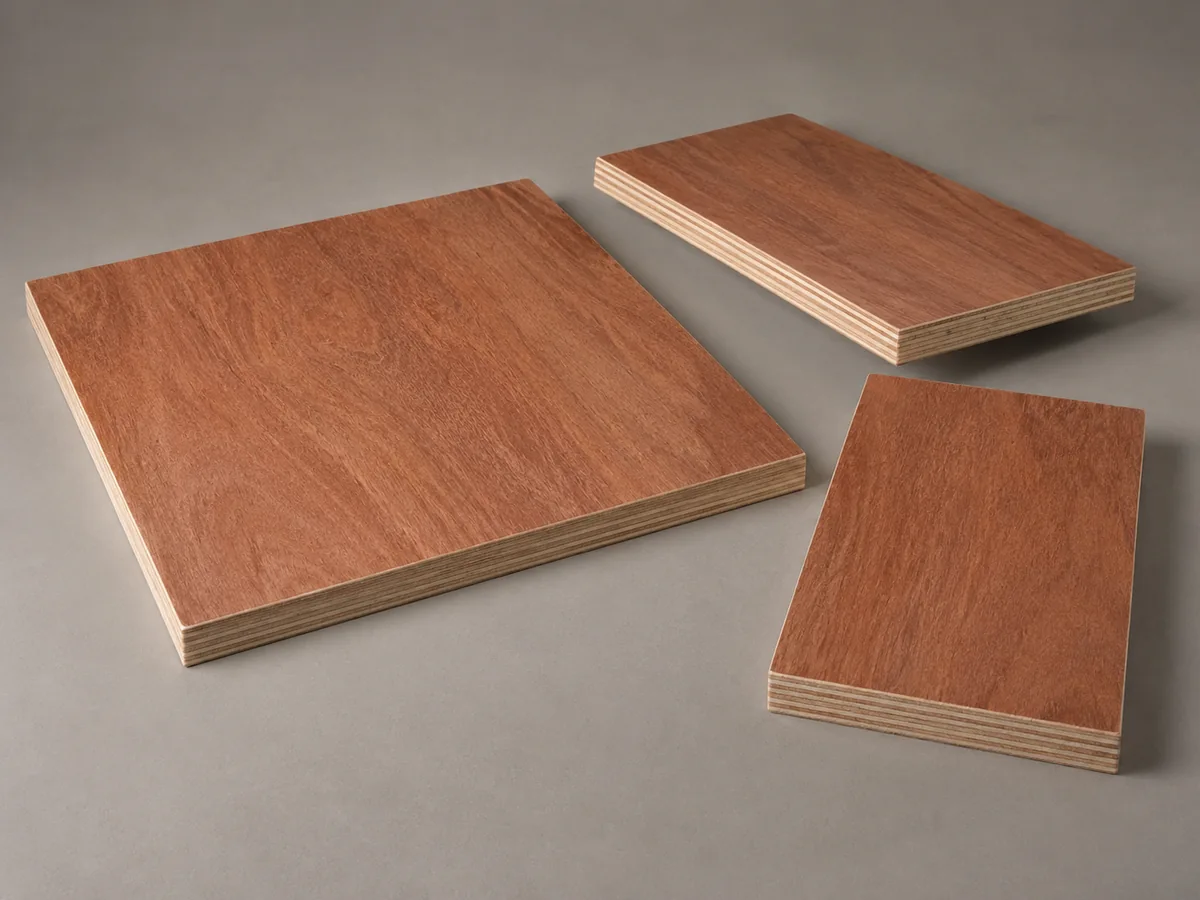
Send the replacement-part drawing or cutting list with dimensions and required operations. We help organise installed parts, spares and approval pieces under separate codes, so your team can identify the pieces and quantities needed for the job.
Start with the application, floor drawing or board reference you have. Add the owner’s specification and verification requirement when available.
Keep the selected layup, faces, bond, treatment and dimensions with the sample and its manufacturing or lot reference.
Check required dimensions, edges and fitting interfaces. Match reports to the material, test scope and acceptance route.
Retain the owner decision, sample identity, documents, drawing revision and agreed production checks.
Use an appearance piece to compare the faces and layered edge, or a component sample for the joint, profile and fixing fit. For loading verification, plan the specified test specimen or installed arrangement with the responsible team alongside the sample review.
Mark the top, underside and orientation, and retain the selected construction, treatment and lot with the sample. Include the edge profile and hole or joint detail your repair team will use. Record whether the piece is for appearance, fit or a specified test.
Use the component trial to review the actual support, adjacent boards, joint and fixing interface. Retain the material, dimensions and supplied processing with the drawing, while keeping the installed loading verification with its own test scope.
For repeat lots, keep the accepted board, sample, reports and owner decision with the drawing. If the part size, layup, treatment, wear layer or fitting operation changes, update that reference and review the affected scope with the owner.
IDENTIFY THE TREATMENT AND ITS PURPOSE
Share the treatment requirement and operating destination when available. We help organise the selected treatment, relevant product records and material-handling instructions with the supplied floorboard.
Include cutting, drilling, edge sealing and repair treatment in the supplied-stage discussion. Keep the material-specific and owner instructions with those operations so the board and later processing follow the selected specification.
For Australian routes, DAFF’s cargo-container guidance distinguishes timber used in container construction from packaging and dunnage. Confirm the conditions applicable to the actual material and arrival with the importer and relevant authority.
Tell us about the cargo contact, wear, traction and cleaning conditions. We can discuss the face or coating around that use, with surface-performance information kept alongside the treatment and bond records.
For the floorboard treatment, retain the treated material, provider, process reference and requested documents. Plan pallet, packing and dunnage records separately, so the shipment file makes each material and its treatment clear.
List the operations after treatment, including cutting, profiling, drilling, sealing and specified repair work. We help identify the delivered stage and affected surfaces, with the appropriate material and owner instructions for subsequent handling.
Keep the service, cargo-contact and cleaning requirements with the selected face, coating and treatment. If you change one of those choices, review the new configuration with the applicable product records before the order is finalised.
SHOW HOW THE BOARD IS SUPPORTED AND LOADED
Share the floor drawing with its crossmembers, board orientation, joints and fixing details. For repairs, add the condition of the understructure and the fitting procedure. Our team can organise the board information around those details for the responsible design and repair team.
For forklift traffic, include the axle or individual-wheel loads with the intended cargo, tyre type, contact geometry and travel route. These loading details sit alongside the machine’s rated lifting capacity and the owner-specified test case.
Include other concentrated cargo loads, supports and handling conditions, with their location and contact geometry. This helps your team review local floor loading alongside the container’s overall payload requirement.
Use the sketches to collect the drawing inputs for the owner or responsible engineer. Keep the selected board, support drawing and loading brief together for the project’s design, testing and fitting review.
Show centre spacing and the clear distance between bearing faces as separate dimensions. Add actual bearing widths, partial contact, joints and any understructure repairs. For vehicle traffic, send the wheel-load and tyre information with the intended cargo; this lets the responsible team review the selected board in the arrangement where it will work.
| Drawing or load field | Record from the actual floor |
|---|---|
| Supports and bearing | Crossmember positions, centre spacing, clear distance between bearing faces, bearing widths and condition. |
| Board direction and joints | Panel orientation, supported ends, joints, profiles and approved repair locations. |
| Vehicle and cargo | Vehicle identification, axle or individual-wheel loads for the intended cargo and operating conditions. |
| Tyres and contact | Tyre type, actual contact dimensions, wheel separation and load position relative to supports and joints. |
| Travel and other loads | Direction of travel, turning or repeated traffic, and other concentrated cargo loads with their footprints. |
| Fixing and verification | Fasteners, joint and sealing details, owner-specified method, edition and acceptance criteria. |
Keep the accepted panel reference and support, fixing and loading details with the order. When the construction or floor arrangement changes, update the drawing and relevant verification together before the replacement parts are produced.
MATCH THE REPORT TO THE QUESTION
Tell us which board, depot or completed-floor records your purchasing team needs. We help organise the relevant information with the selected construction, test method and required acceptance criteria, so each record has a clear place in the order.
Keep the layup, faces, bond, treatment and production reference with the required board tests. Include the specimen preparation, orientation, conditioning and reported results in the purchasing file.
Review board-production evidenceUse the owner-required acceptance route for the replacement stock. Keep test samples, board marks, batch and inspection records connected.
Review receiving checksFor completed-floor verification, retain the selected board and the installed support, joint, fixing and loading arrangement. Review those records alongside the separate board-test information.
Review document identitiesISO 1496-1 addresses general-purpose freight container specifications and testing. The official catalogue lists the 2013 edition with amendments 1:2016 and 2:2024; name the edition and amendments required for your container. The responsible owner or engineer determines the verification for the particular container and work.
COA TG02 describes an in-depot replacement-board short-span check. Its scope does not replace the manufacturer’s relevant quality testing or reproduce a complete container-floor verification. Use the specified board construction and owner requirement to select the applicable receiving check.
The IICL bulletin index lists TB-001 Revision 4 dated 18 June 2026 and an addendum to Revision 3. When your owner specifies that bulletin, keep the requested version with the test brief and the records for the offered board.
If the layer materials, adhesive, wear face, treatment or production route change, keep the new construction and the relevant evidence with the order. We help organise this information for the owner’s review.
For each required report, retain the manufacturer and product reference, layup, thickness, bond, wear face, treatment and specimen identity. Add method and edition, conditioning, orientation, fixture or support, load application, result and acceptance criterion. Keep the test date and report scope visible beside the claimed property.
Use bond testing for the bond requirement, material testing for the stated panel properties, and floor verification for the relevant installed arrangement. Where samples come from a delivered lot, retain the connection to board marks, packs and the production reference.
When comparing an alternative, present its construction, existing records and any further checks required by the owner together. Keep the selection decision with the drawing and fitting scope so purchasing and installation teams work from the same accepted panel reference.
TRACE THE BOARD THROUGH THE ORDER
We help organise a clear reference for the selected board, factory, layup, thickness, faces, bond, treatment and processing. Keep the owner requirement and drawing revision with that reference, followed by the chosen sample and requested records.
Carry the lot, date or production reference and required board marks into the packing list, inspection and reports. This helps the receiving team follow the selected material through the order. See the testing guidance for the scope of board and floor verification.
Compare quotations on the same supplied stage: full boards or cut parts, with the included holes, profiles, treatment, sealing and documents identified. List installer-supplied fixings and understructure work separately, so the price reflects the work your team will receive.
Keep the final selection, owner decision and receiving criteria with the order. We help connect the construction and supplied operations to the relevant records, making repeat purchases and later repair discussions easier to follow.
Review production and inspection records| Record | Keep it linked to |
|---|---|
| Technical data and board tests | TDS-PS-30, selected layup, thickness, faces, bond, specimen identity and required test scope. |
| Treatment and supplied machining | Treated board reference, process records, drawing revision, edge work, holes and sealing. |
| Sample and owner selection | Accepted sample or part, floor drawing and owner-required decision or test route. |
| Depot and floor verification | Delivered stock and receiving checks; keep completed-floor checks with their installed supports, joints and loading arrangement. |
| Inspection and dispatch | Production lot, board marks, dimensions, pack identity, quantities and treatment or shipment documents. |
LET THE REPAIR TEAM CHECK BEFORE CUTTING
Send the quantities by full board or part code, with the dimensions and drawing reference. We can plan the pack support, edge protection, labels and unloading requirements around the actual product and receiving site.
At receipt, compare the pack and board references, quantities, dimensions, face and edge condition, and treatment records with the order. Keep photographs and the lot reference with any difference so it can be addressed before cutting or fitting.
The repair organisation follows the approved support, joint, fixing, sealing and installation procedure. Include any understructure repair and required completion checks in that responsibility. Keep the installed board identity with the container or repair record.
Tell us the required delivery date and destination. Your quotation can bring together the selected board, quantities, processing, samples and requested documents, helping the repair or building team plan the next stage.
Build the order from your current floor drawing and cutting list. Keep full boards, fitted parts, spare pieces and test material under their own references. We’ll quote the dimensions, construction and processing for each line, with quantities your receiving team can check.
| Order item | Information for the quotation |
|---|---|
| Full floorboards | Selected construction, finished dimensions, edge profile and count by board reference. |
| Replacement parts | Part code, drawing revision, orientation, finished size, included machining and quantity. |
| Spare and sample pieces | Purpose, configuration and agreed quantity, separately identified from installed parts. |
| Pack sequence | Depot, container programme or part-code grouping, pack counts and protected edges. |
| Receiving information | Pack and lot identities, sizes, recorded weights, treatment documents and unloading arrangements. |
Label packs by product, lot, part code, drawing revision, supplied processing and quantity. Keep spares and approval pieces identifiable, with treatment and required test records available at receipt. Agree handling and unloading from the actual pack dimensions and weights in the shipment record.
Before fitting, reconcile the delivered part with the owner’s drawing and the repair organisation’s approved joint, fixing and sealing procedure. Record any understructure work and required completion checks. Keep the installed board and lot identity with the container or repair reference so a later replacement is traceable.
Available to order. Production takes 10–15 days, with timing recorded in the order confirmation. We ship by container, with freight and delivery terms agreed for your order and destination. Include transit time separately when planning the build or repair schedule.
Supply includes a 180-day warranty. Contact our factory team with the order, board or pack reference, photographs and issue details. We’ll agree the return or replacement solution and related freight for the order, keeping the selected configuration with any replacement parts.
CONTAINER FLOORING PLYWOOD QUESTIONS
It is plywood used for freight-container floors in new builds and replacement work. We manufacture boards and drawing-specific parts, with the layup, bond, faces, treatment and dimensions selected around the floor requirement. Share your application and our team will help develop the supply brief.
Start with photos of the old board, its markings and thickness, plus the owner’s floorboard reference or repair drawing when available. We help compare the construction, treatment and fitting details. Marine or film-faced plywood should be reviewed against that floor specification as a complete construction.
Provide the wheel or axle loads with the intended cargo, tyre contact geometry, movement and load positions. These complement the forklift’s rated lifting capacity. The owner or responsible engineer defines the floor’s design and test case.
Include bearing widths, centre spacing and clear span, with the board orientation, joints and fixings. Name the reference points for each dimension so the selected board can be reviewed against the actual floor arrangement.
IICL states that it does not certify or approve floorboards and does not verify manufacturer-applied marks. Use the required test records and owner acceptance with the selected board reference; the mark helps identify the claimed material and test reference.
COA TG02 describes a defined in-depot replacement-board short-span check. Keep that receiving check, manufacturer quality testing and any required installed-floor or container verification under their respective scopes.
Share the owner’s floorboard requirement and operating destination. We help identify the selected treatment and relevant records, with material-specific instructions for later cutting, handling and installation. Surface performance and shipment-packaging treatment are planned separately.
Yes. Send the photos, board markings, drawing or sizes you have, with the application and quantity when known. Our team will help complete the construction, treatment, processing, samples and delivery details. Add the owner reference and document requirements when available.
Yes. We manufacture plywood in our own factory in Jiangsu, China. We can discuss full floorboards or drawing-specific parts for your new-build or repair programme, with the construction, treatment, processing and relevant records planned around the owner’s floor requirement.
Send the axle or individual-wheel loads for the intended cargo, tyre type and contact dimensions, wheel separation, travel path and positions relative to supports and joints. Keep these with the selected construction and the owner’s required test case for the floor review.
Centre spacing is measured between support centre lines; clear span is measured between their facing bearing edges. Show the actual bearing widths, partial or offset contact and joints on the drawing, then keep those named dimensions with the floor design and verification.
Yes. Send the part sizes or drawing and the quantity for each code. We can discuss cutting, edges, holes, treatment and sealing with the supplied stage. Keep installed parts, spares and approval pieces separate, with the owner’s acceptance and fitting requirements alongside the final schedule.
Our 28mm technical-sheet formats include 1160 × 2400mm, 1220 × 2440mm, 636 × 2400mm and 1016 × 1388mm. The thickness table lists 19, 21, 25, 28 and 30mm. Send the selected construction, owner requirement and drawing for full boards or machined replacement parts. The 60–64kg sheet weight applies to the 1160 × 2400 × 28mm format.
Production takes 10–15 days according to the confirmed order. Floorboards ship by container, with freight and delivery terms agreed for your destination. Supply includes a 180-day warranty; return or replacement arrangements and related freight are agreed for the order and issue.
YOUR FLOOR DRAWING · A TRACEABLE BOARD ORDER
Send a photo, drawing or known sizes, plus the quantity and destination when available. Our factory team will help with the floorboard construction, replacement parts, sample and delivery. Add the owner’s requirement or document checklist when you have it; you can start the discussion now.
Tell us your panel, dimensions, quantity and destination port.