
START WITH THE PURCHASE SPECIFICATION
One order. Three birch plywood thicknesses.
The order described 100% birch plywood with WBP phenolic glue, a 2500 × 1250 mm sheet format and nominal thicknesses of 21, 24 and 30 mm. Appearance inspection followed CP grade. Those details give the purchasing team a clear basis for matching the inspected boards to the quoted product.
| Panel construction | 100% birch plywood; WBP phenolic glue |
|---|---|
| Appearance grade | CP |
| Sheet format | 2500 × 1250 mm |
| Nominal thicknesses | 21 mm, 24 mm and 30 mm |
| Inspection scope | Final random inspection; 80 boards |
| Inspection date | 11 March 2025 |
| Overall conclusion | PASS, as recorded by ECQA |
The inspection used the report's normal single sampling plan and covered 80 boards across the three thicknesses. It brings the order description, findings and photographs into one record that a purchasing or quality team can review together.
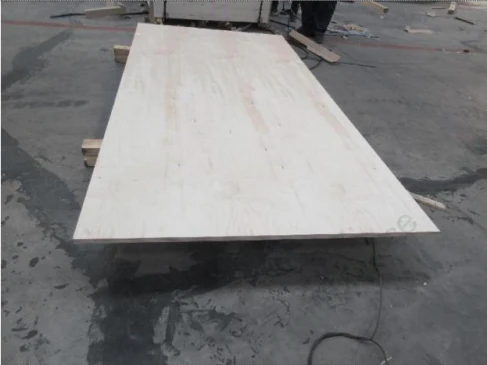
Look at the face and the exposed core.
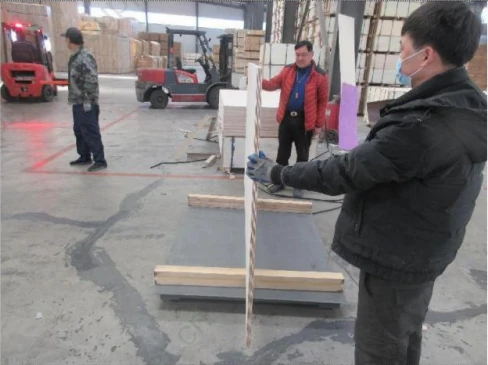
The workmanship check assessed the boards against the specified appearance grade. The accompanying photographs show the wood face, the edge and the panel held upright for inspection. This makes the review useful for buyers deciding how the material will look after cutting and where the layered edge will remain visible.
For your own order, tell us which faces and edges the finished part will expose. Furniture components, shelving and interior fittings can have different appearance priorities. We can put those priorities into the quotation and inspection brief so the receiving team knows what to check.
Measure the format your production needs.
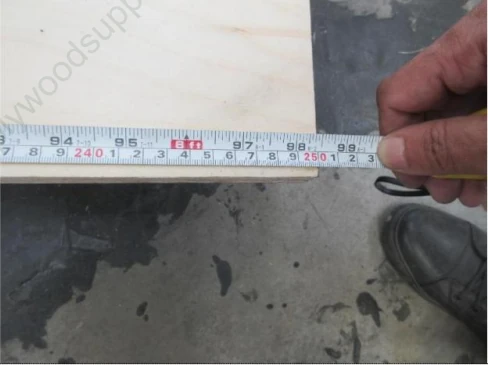
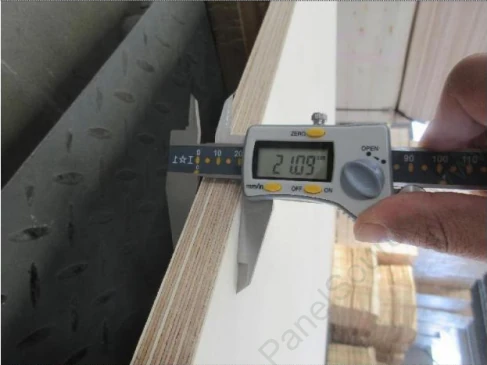
The report includes length, width, thickness and diagonal-difference checks. The photographs document both tape measurements and digital calliper readings on the inspected panels. These checks help connect the nominal sheet description to the boards a workshop will cut, machine and assemble.
Include the required thickness tolerance and cutting format in your enquiry. Where panels enter a repeated machining operation, also share the fitting, groove or joint that depends on thickness. A clear production requirement gives both sides a more useful acceptance target.
Record moisture before the next production stage.
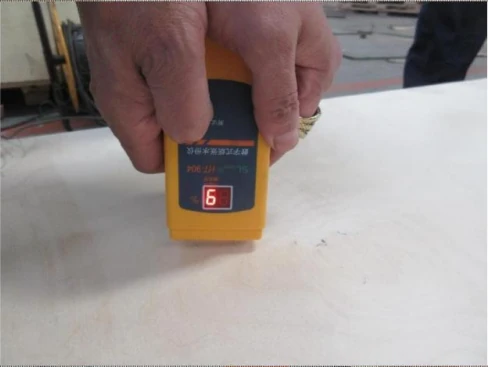
Moisture checking formed part of the onsite inspection, with two boards checked for each thickness. The report records PASS against its stated requirement and includes photographs of the meter checks.
For buyers planning machining, bonding or finishing, moisture is a practical handover detail. Tell us how you will store the panels and which production stage follows arrival. Agree the required moisture range with the board specification and keep the inspection record with the purchase documents.
Give packing the same attention as the boards.
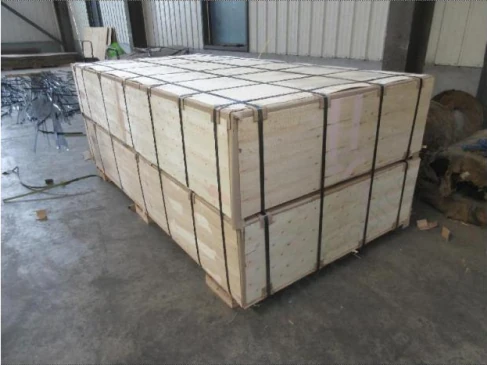
The packing checks covered the packaging method, packing quantity and recorded pack dimensions and gross weights. Photographs show protective outer boards and straps around the birch plywood pallets. The report also notes that pallet labels would be applied at shipping.
Specify the pack quantity, handling method and identification needed at your warehouse. If a container contains several thicknesses, make each pack easy to match to the receiving schedule. Outer protection, secure strapping and readable identification help the receiving team separate, store and issue the boards efficiently.
TURN THE CHECKS INTO YOUR NEXT ORDER
Send the specification your team can approve.
Start with your application, face and reverse grade, thicknesses, sheet or component dimensions, quantity and destination. Add the important appearance zones, machining tolerances and packing instructions. We can then discuss the birch plywood configuration and the inspection checkpoints that matter to your purchasing and production teams.